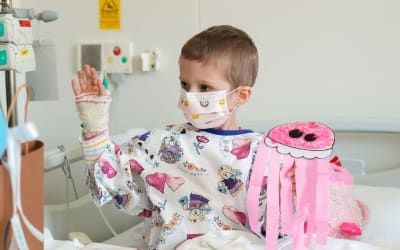
Everything you need to know about childhood cancer... Symptoms, types, and treatment methods.
Childhood cancer is a diverse group of disorders and diseases that affect children, and includes various types of cancers that may affect tissues and organs in the body. Although childhood cancer is rare compared...
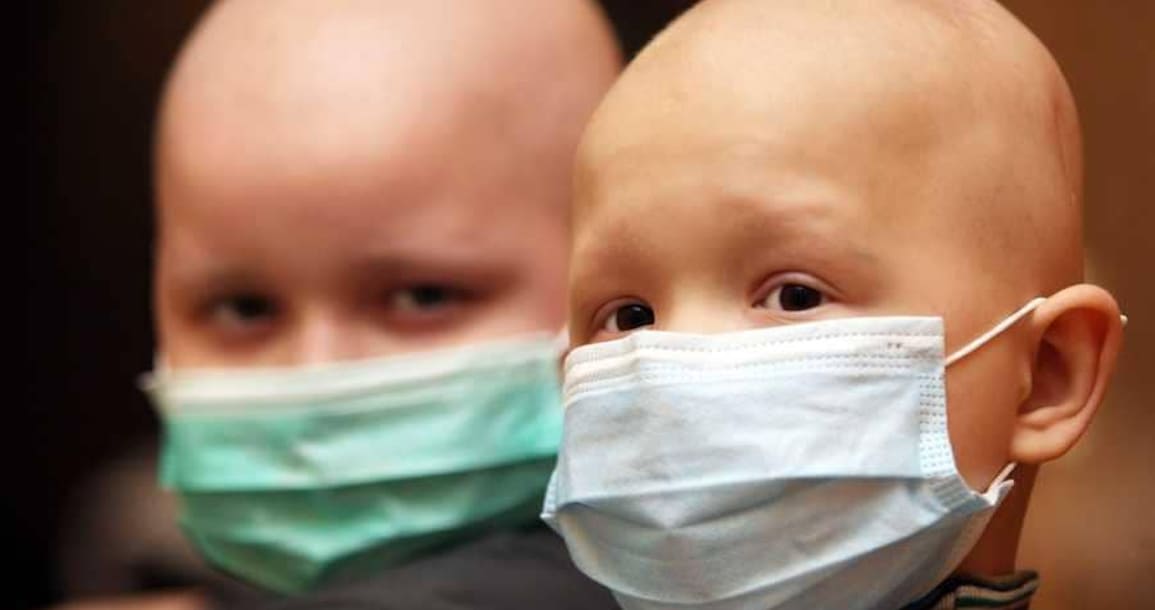
Childhood cancer is a diverse group of disorders and diseases that affect children, and includes various types of cancers that may affect tissues and organs in the body. Although childhood cancer is rare compared to adult cancer, affecting only about 1% of children, early detection, diagnosis, and treatment can significantly improve the chances of recovery. It is important to understand the types of childhood cancer and how to treat them to provide appropriate care for affected children.
Types of Childhood Cancer
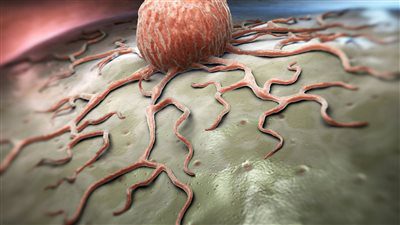
1.Leukemia:
Leukemia is a type of cancer that affects the bone marrow and blood. It is considered the most common type of childhood cancer, accounting for approximately 28% of all childhood cancer cases.
Sourcehttps://portal.qcs.qa/
Types of Leukemia:
Acute Lymphoblastic Leukemia (ALL): Affects the lymphocytes in the bone marrow, and commonly affects children from the ages of three to five.
Acute Myeloid Leukemia (AML): Affects myeloid cells in the bone marrow, and is usually diagnosed in older children.
Symptoms: Include bone and joint pain, feeling weak and tired, paleness, fever, and weight loss. It may also cause bleeding and rash.
2.Brain and Spinal Cord Tumors:
Brain and spinal cord tumors are among the most common types of cancer after leukemia, representing about 26% of childhood cancers. They usually start in the lower parts of the brain, such as the cerebellum or brainstem.
Symptoms: Include headaches, nausea, vomiting, vision disturbances, dizziness, and seizures. Tumors may also lead to changes in behavior or growth difficulties.
3.Leukemia:
Leukemia is a type of cancer that affects the bone marrow and blood. It is considered the most common type of childhood cancer, accounting for approximately 28% of all childhood cancer cases.
Types of Leukemia:
Acute Lymphoblastic Leukemia (ALL): Affects the lymphocytes in the bone marrow, and usually affects children from the ages of three to five.
Acute Myeloid Leukemia (AML): Affects myeloid cells in the bone marrow, and is usually diagnosed in older children.
Symptoms: Include bone and joint pain, feeling weak and tired, paleness, fever, and weight loss. It may also cause bleeding and rash.
Read also: Tips to maintain your child's health and protect them from cancer?
4.Brain and Spinal Cord Tumors:
Brain and spinal cord tumors are among the most common types of cancer after leukemia, representing about 26% of childhood cancers. They usually start in the lower parts of the brain, such as the cerebellum or brainstem.
Symptoms: Include headaches, nausea, vomiting, vision disturbances, dizziness, and seizures. Tumors may also lead to changes in behavior or growth difficulties.
5.Neuroblastoma:
Neuroblastoma is a rare type of cancer that starts in the nerve cells of a fetus. It often appears in infants and young children.
Symptoms: These include abdominal bloating, bone pain, fever, and weight loss. The tumor may also appear as a mass in the abdomen or neck.
6.Wilms Tumor:
Wilms' tumor is a type of cancer that affects the kidneys and usually appears in children between the ages of 3 and 4. It rarely affects older children or adults.
Symptoms: Include abdominal swelling, fever, pain, nausea, and poor appetite. The tumor may appear as a palpable mass in the abdomen.
7.Lymphoma:
Lymphoma begins in the lymphocytes of the immune system. It is divided into two main types:
Hodgkin's Lymphoma: It usually starts in the lymph nodes.
Non-Hodgkin's Lymphoma: It may start in the lymph nodes or other lymphatic tissues such as the tonsils.
Symptoms: These include fever, weight loss, night sweats, and swollen lymph nodes under the skin, in the armpit, or in the groin.
8.Rhabdomyosarcoma:
Rhabdomyosarcoma is a type of cancer that begins in cells that develop into skeletal muscles. It may occur anywhere in the body, such as the head and neck, thigh, abdomen, or arm.
Symptoms: These include pain and swelling in the affected area. A visible or palpable mass may also appear at the site of growth.
9.Retinoblastoma:
Retinoblastoma is a rare cancer that affects the eye and usually appears in children under the age of six.
Symptoms: Include an eye defect such as "glowing eyes" when light is shone on them, a change in the color of the iris, and redness in the pupil of the eye. The condition may lead to vision loss if left untreated.
10.Bone Cancer:
Bone cancer starts in the bones and can affect children at any age, but it often occurs in older children and adolescents. It includes two main types:
Osteosarcoma: It usually occurs in areas where bone grows rapidly, such as the ends of the leg or arm bones.
Ewing's Sarcoma: Less common, it often affects the pelvic bones, chest wall, or leg bones.
Symptoms: Include pain and swelling in the bones, especially at night or with movement and activity.
Childhood Cancer Treatment
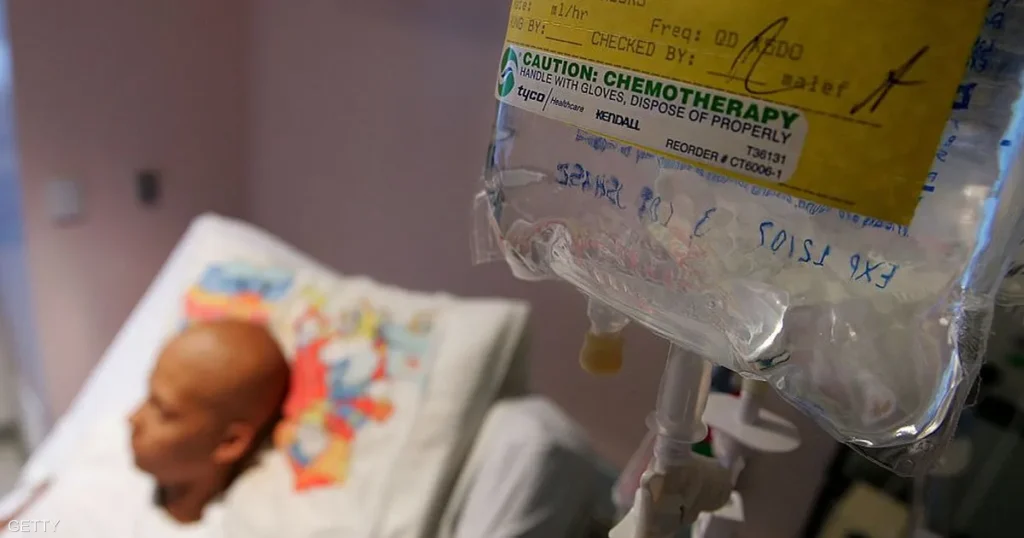
Treatment options vary depending on the type of cancer and the stage of the disease, and may include:
Surgery: To remove tumors from the body.
Chemotherapy: The use of drugs to kill cancer cells.
Radiation Therapy: The use of radiation to treat cancer cells.
Immunotherapy: Boosting the immune system to attack cancer cells.
Stem Cell Transplantation: To replace damaged blood cells.
Other articles:
Supporting the Family and Child in Facing Childhood Cancer How Healthy Food Can Support Children with Cancer
Comments (0)
Add Your Comment
No comments yet. Be the first to comment!