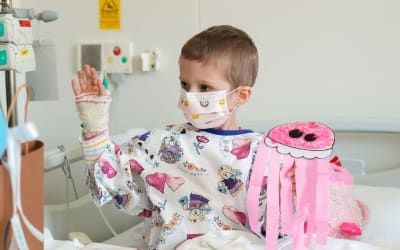
Supporting the Family and Child in Facing Childhood Cancer
A child's cancer diagnosis significantly impacts their daily life, as they are forced to undergo treatment, visit doctors, and adhere to new lifestyles. These changes increase the likelihood of facing mental health problems, in addit...

A child's cancer diagnosis significantly impacts their daily life, as they are forced to undergo treatment, visit doctors, and adhere to new lifestyles. These changes increase the likelihood of facing mental health issues, in addition to the anxiety and stress resulting from the disease diagnosis. The effects of cancer are not limited to the child alone, but extend to their parents and the rest of the family. Shock, fear, anger, and sadness are the most prominent feelings that a child with cancer may experience after being diagnosed.
The psychological fluctuations that a child experiences add pressure to the parents, which increases their anxiety about their child's health. Therefore, it is important to address the psychological state of the parents so that they can provide the necessary healthcare for the child.
Tips for Parents After Their Child is Diagnosed with Cancer

According to Dr. Maha Al-Enezi, a specialist in family psychiatry, feelings of anger, sadness, or even guilt can overwhelm a parent when they learn that their child is going through a difficult health condition, in addition to feelings of denial and fear of the disease's impact on the child's life. The following are some tips that can help parents better deal with their reactions to a child's illness:
- Increasing Knowledge About the Disease: Knowing the type of cancer and the treatment methods used can reduce anxiety. Parents can attend educational sessions and read reliable scientific materials to gain a deeper understanding of the disease. In addition, they can turn to the internet and search for information related to the disease from reliable and accredited sources such as global medical websites and major health centers.
- Regular meetings with the medical staff: These meetings provide an opportunity to get updates on the child's condition and discuss any concerns. Parents can use these opportunities to ask questions and express their concerns.
- Seeking Help from Family: Distributing household chores among family members can alleviate daily pressures and allow parents to focus on childcare.
- Talking to someone close: Sharing feelings with a trusted person can be comforting. This person could be a close friend, a family member, or a psychological counselor.
- Connecting with parents of children who have recovered from the illness: This can provide psychological and moral support. Sharing experiences with other parents can give parents a sense of hope and optimism.
- Psychological Counseling: Learn relaxation techniques and manage psychological stress. Counseling sessions can help provide emotional support and equip parents with the tools necessary to cope with stress.
More about Childhood Cancer: All about childhood cancer... Symptoms, types, and treatment methods
Tips on How to Deal with an Infected Child:
- Avoid Excessive Emotion: When informing the child about their illness, avoid crying and screaming. Instead, focus on providing support and reassurance to the child.
- Communicating with the child's friends and teachers: Informing them of the child's condition can open up avenues for him to express his feelings. Friends and teachers can provide additional emotional support to the child.
- Enhancing the child's knowledge about the illness: Introducing the child to stories of success and recovery can increase their optimism. Children's books and educational resources specifically designed for children can be used to help them understand their condition.
Recreational Activities to Improve Mental Well-being:

- Encouraging hobbies and favorite activities: such as drawing, reading, games, and handicrafts.
Feelings in Children That Require Psychological Counseling

Dr. Maha Al-Enezi says that there are some feelings that may appear in a child with cancer that warrant consulting a psychologist, including:
- Feeling sad for extended periods and frequent crying. If you notice these symptoms, it may be necessary to speak with a counselor or psychologist to help the child.
- Difficulty concentrating on schoolwork. Loss of focus can be a sign of stress or anxiety, and a psychologist can provide appropriate support.
- Mood swings, such as intense anger and constant annoyance. These fluctuations can be difficult for parents to deal with without professional help.
- Desire to self-harm or suicidal thoughts. These symptoms are serious and require immediate intervention from specialists.
- Noticeable changes in activities and behavior. Any significant changes in the child's behavior should be monitored and discussed with a psychologist.
- Decreased energy levels and feeling tired for no apparent reason. Excessive fatigue can be a sign of depression or anxiety.
- A noticeable decrease in sleep rates for a period of two weeks. Sleep problems can significantly affect a child's mental and physical health.
More about childhood cancer: How healthy food can support children with cancer All about childhood cancer... Symptoms, types, and treatments
Tips to Maintain Your Child's Health and Protect Them from Cancer?
Comments (0)
Add Your Comment
No comments yet. Be the first to comment!