Your Child Screaming in Public: 5 Steps to Handle it Calmly
Does your child's screaming in public places embarrass you? You're not alone! Discover the psychological reasons and instant calming techniques to transform tantrums into positive communication. Your practical guide to calm and control starts here.
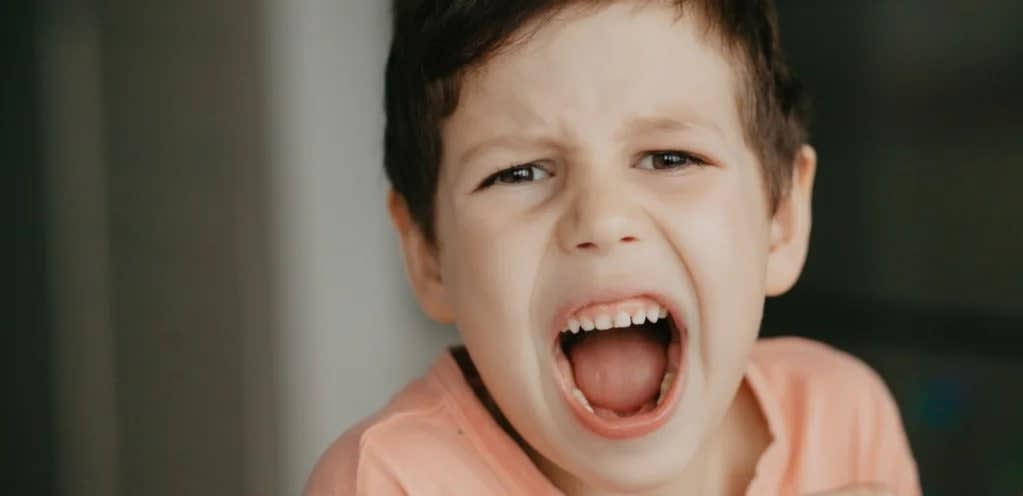
Child screaming in public is one of the most challenging situations mothers experience, often triggering feelings of embarrassment or helplessness. This scene, though common, is not evidence of a failure in parenting; rather, it is a natural reaction from the child, often resulting from a deep feeling they were unable to express in words. At Alia Magazine, we fully understand the pressures you face. Therefore, we present to you a comprehensive guide based on the latest psychological and neurological studies, enabling you to handle these situations calmly and effectively, turning them into opportunities for your child's learning and growth.
This article aims to provide you with scientific and practical steps to handle screaming fits. We will begin by explaining the underlying psychological and neurological causes of this behavior, then present immediate calming techniques, and suggest preventive strategies to prevent the situation from recurring in the future.
Understanding the Causes and Preventing Child Screaming in Public
Before taking any action, it is essential to understand why your child is screaming. Identifying the root cause of the tantrum is the key to a correct and effective response. Children screaming in public often serves as an alternative language, especially in their early years when they do not yet possess sufficient verbal ability to express their complex feelings and needs. A child's psyche and behavior are influenced by many factors that can be understood more deeply through child psychology.
Identifying the Root Cause of Screaming

When your child screams in public, the first step is to remain calm yourself. Take a moment, take a deep breath, and try to understand the reason behind this behavior. Your child might simply be hungry, extremely tired, experiencing a moment of jealousy, or even lacking your attention. Screaming in these cases is an attempt to get your attention and convey a clear message that they need something.
A study published in the Journal of Child Psychology and Psychiatry indicated that children who are not given enough space to express their feelings exhibit loud behaviors in public environments 60% more than others. This underscores the importance of giving the child a chance to express themselves. Therefore, once you have calmed down, ask them gently and quietly: "Are you feeling sad?" or "Do you need a hug?" and give them a moment to feel heard and understood. This simple step can make a big difference in de-escalating the situation.
Reducing Disturbing Environmental Stimuli
After identifying the cause, or simultaneously with it, focus on the surrounding environment. Look around: Is the place too crowded? Are the sounds excessively loud? Are there strong smells or bright, irritating lights? Children are significantly affected by noise and excessive sensory stimuli. These factors can overwhelm their sensitive brains and drive them to scream as a defensive way to express their feelings of confusion or discomfort.
A study from Child Development Research has proven that reducing sensory stimuli contributes to calming 72% of screaming fits in children. Therefore, try to move away from the source of the disturbance as much as possible. Take your child to a quieter corner or a less crowded area. Hold them gently and speak to them in a low voice until they regain their balance and feel safe. This calm environment helps them process overwhelming emotions and reduces the intensity of the child screaming in public.
Immediate and Effective Response Strategies
When a child starts screaming in public, your quick and calm response is the key to containing the situation and preventing it from escalating. Avoid ignoring them or screaming back, as both increase the child's tension and make them feel lonely and misunderstood. Instead, adopt an approach that combines firmness and calmness, focusing on effective communication and physical containment.
Responding Calmly and Firmly
Act immediately but with total composure. When your child screams in public, do not ignore them and do not scream back. Communicate with them in a low, calm voice, and get down to their level so that your eyes are at their eye level. Try to touch their shoulder or hold their hand gently to convey a sense of security and containment. This non-verbal physical communication can have a powerful calming effect.
Research from the Positive Discipline Association shows that warm physical interaction and speaking in a calm voice lower stress levels in a child's body in less than three minutes. It is essential not to punish the child publicly or scold them in front of others. Instead, contain their feelings and express your understanding of what they are going through. You can say: "I know you feel angry right now, and we will solve this problem together" or "I see that you are upset; I am here to help you." This approach teaches them that their feelings are acceptable and that you are a source of safety and support, which reduces the intensity of the child screaming in public and helps them calm down.
Developing the Child's Emotional Control Skills
After containing the situation and calming your child, it is time to turn this experience into a valuable learning opportunity. The goal is not just to stop the screaming in the moment, but to teach the child long-term skills to express their feelings and control them in positive ways. This requires patience and perseverance, but it pays off in building your child's personality.
Teaching the Child Verbal Expression
When your child calms down after a child screaming in public episode, seize the opportunity to turn the situation into a teaching moment. Ask them calmly: "Would it have been better to tell me you were angry instead of screaming?" Help them understand and identify their feelings, and teach them simple words to express them. For example, you can teach them phrases like: "I feel upset," "I need a hug," or "I don't like this."
A study from the Harvard Graduate School of Education showed that children who learn to verbally express their feelings at an early age have 55% fewer tantrums. Do not just blame the child; instead, train them to follow the positive alternative. Encourage them to use words to express their needs and desires, and reassure them that you will always listen to them when they speak calmly.
Preparation Before Leaving the House

Many episodes of a child screaming in public occur because the child feels insecure or does not understand what is going to happen. Therefore, prior planning and psychological preparation are essential. Before going anywhere, tell them about the plan for the day and the behavior expected of them. For example, tell them: "We are going to the supermarket. We will buy our essentials, and if you want something that isn't on the list, we will talk about it calmly after we finish shopping."
The American Psychological Association recommends the necessity of psychologically preparing the child before entering new or crowded environments. Children love clear expectations and dislike surprises that take away their sense of control. The more they feel in control of the situation and understand what is happening around them, the lower the chances of screaming and emotional meltdowns. Explain what they might see, hear, and expect, as this helps build their sense of security.
Reinforcing Positive Behavior
Do not wait until your child screams in public to start intervening. Instead, reinforce positive behavior through observation and praise. Watch for moments when they behave calmly or when they express their feelings with words, and praise these behaviors with specific and clear words. For example, say: "I loved how you sat quietly in the restaurant; that was wonderful of you!" or "I liked how you told me what you wanted without screaming; you are very smart!"
Results from the Institute for Applied Behavioral Science have shown that positive reinforcement reduces unwanted behaviors by up to 70%. A child who hears words of appreciation and praise seeks to repeat the good behavior to gain recognition and love from their parents. This enhances their self-confidence and encourages them to adopt more positive behaviors in the future.
We conclude that when your child screams in public, their goal is not to embarrass you, but rather an indirect request to feel loved, understood, and safe. Ignore the stares of strangers and focus on your child. Treat them as a small being going through a storm of emotions they do not know how to navigate alone. Give them your space, communicate with them in a calm tone, and understand the reasons for their behavior. Train them in verbal expression, prepare them well before going out, and praise their good behavior. Over time, you will notice a significant difference in their response, and the number of tantrums will gradually decrease, benefiting both your child and your relationship with them. If you have any inquiries or experiences you would like to share, do not hesitate to contact us.
Comments (0)
Add Your Comment
No comments yet. Be the first to comment!