Why do some women share details of their marital life?
{"category_id":null,"author_id":null,"title":"Why Do Some Women Share Details of Their Married Lives? Psychological Secrets","title_en":"","slug":"","content":"Sharing details of married life on social media platforms has become a behav..."}
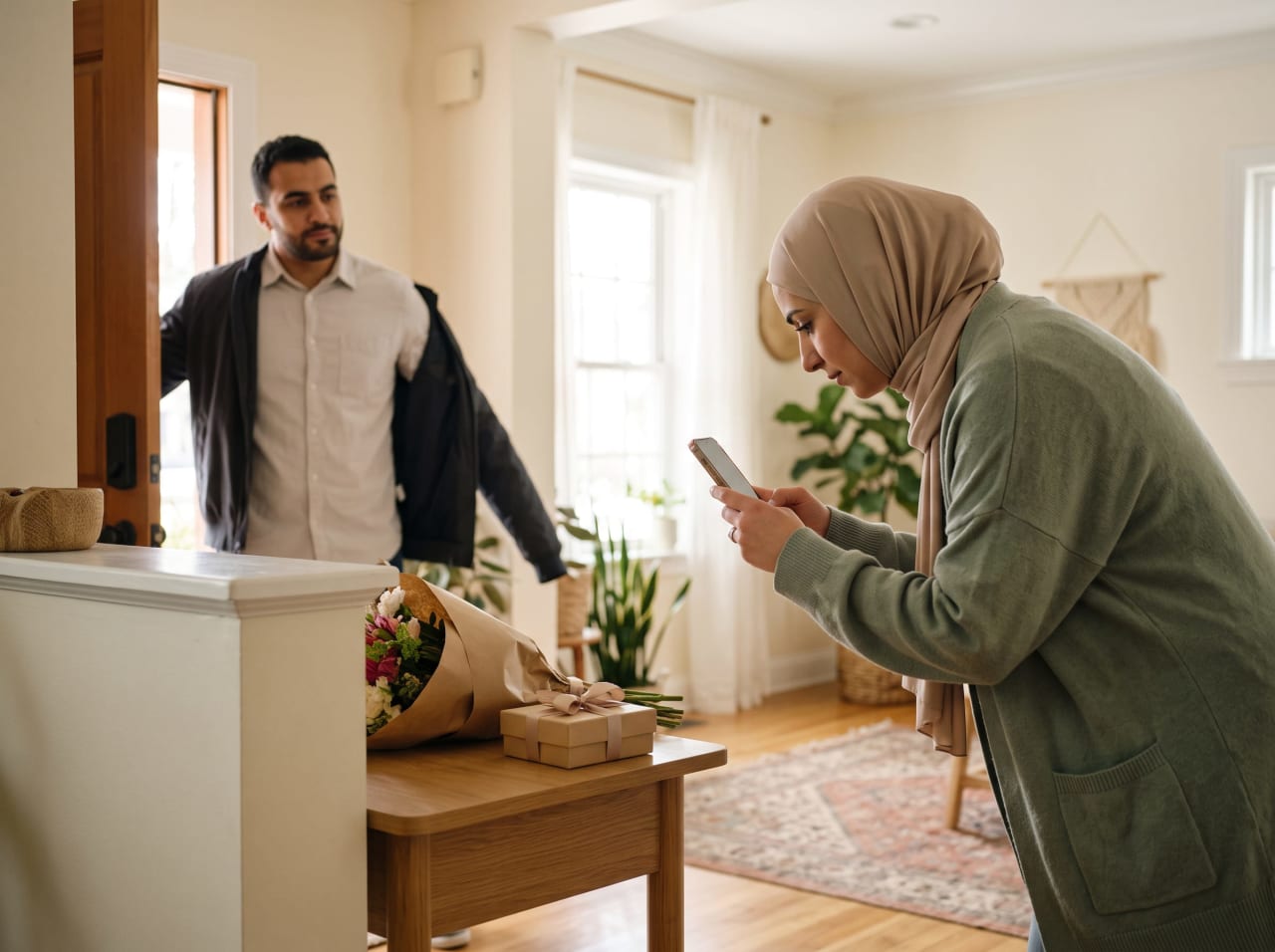
Publishing details of married life on social media has become a striking phenomenon in our contemporary society, where many women have turned what was once a spontaneous sharing into a daily lifestyle practiced without full awareness of its long‑term consequences. Psychological counseling experts argue that what may appear at first glance as a romantic gesture or an expression of overwhelming happiness can conceal complex psychological and social challenges; transferring the most intimate details of a relationship from a private sphere to the public domain diminishes its sanctity and makes it vulnerable to unpredictable external interventions. In this article, published in the magazine "Alia," we review the psychological dimensions of this behavior, its impact on the stability of partners, and the correct publishing standards. For more on our vision of supporting Arab women, you can visit the About Us page.
Psychological Motivations Behind Publishing Details of Married Life
There are many reasons that drive women to share their private moments online, and these motivations are often linked to their internal psychological state and the sense of security within the relationship.
1. Seeking Social Validation
Psychological research indicates that the desire for others to see displays of happiness and to applaud them is a primary driver. A scientific study published in the Journal of Social and Personal Relationships found that people who exaggerate the public display of their marital moments may actually suffer from internal doubts about the durability of that relationship. Instead of deriving security from their partner, they seek it in “likes” and positive comments from strangers, making publishing details of married life merely a way to soothe themselves.
2. The Trap of Digital Social Comparison
Today, women live under the pressure of ideal images they see on their screens, which generates a hidden desire to prove that their life is no less beautiful or luxurious than what others display. Here, the relationship shifts from a private human bond to a competitive arena, where the goal becomes “showing” happiness rather than “living” it.
Impact of Public Sharing on Trust Between Partners
Trust and privacy are the two pillars of any successful marriage, and when this privacy is breached through publishing details of married life, gaps begin to appear gradually.
Emotional Exposure: Publishing details of disputes or even intimate moments without the other party’s consent can make them feel insulted or “exposed” to the public, shaking the partner’s image and weakening emotional bonds.
Effect of the Virtual “Third Party”: When external comments and opinions guide a woman’s behavior, tension arises. Instead of direct dialogue, the woman may interpret her husband’s actions based on random advice from followers, a warning highlighted by a study from Carnegie Mellon University, which confirmed that couples who maintain privacy enjoy much higher levels of satisfaction.
Consequences of Publishing Details of Married Life on Women’s Mental Health
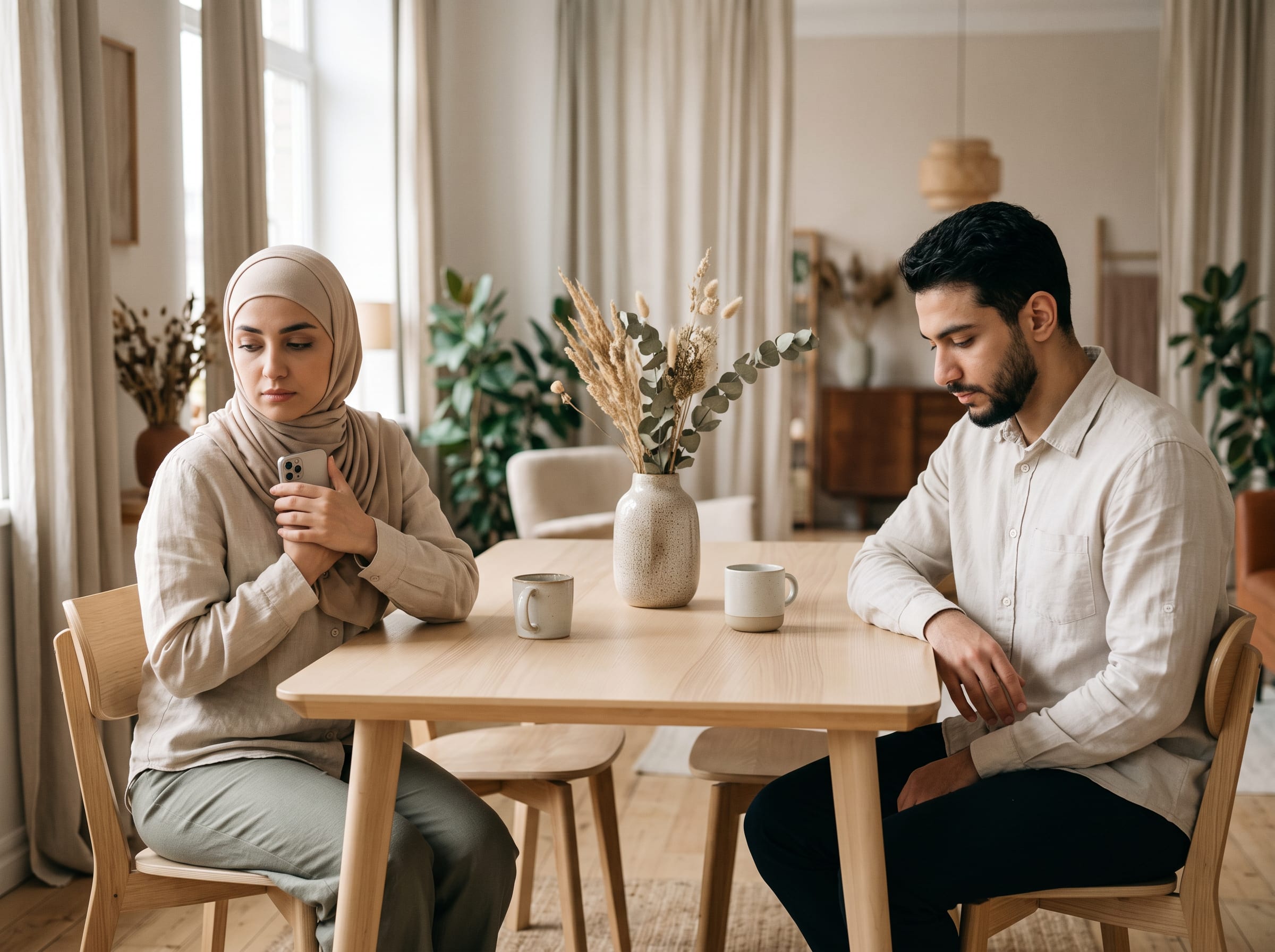
The issue extends beyond the relationship, affecting the woman’s own psychological balance and trapping her in a cycle of constant anxiety.
First: The Trap of External Validation and Loss of Autonomy
When the mind becomes accustomed to linking self‑esteem to audience reactions, psychological autonomy begins to erode. Researchers at the American Psychological Association confirm that excessive use of social media to showcase private life is closely associated with higher levels of anxiety and emotional disturbance, making a woman’s happiness hostage to a “screen.”
Second: The Absence of Enjoying the Present Moment
Constant preoccupation with capturing and documenting the moment for publishing details of married life deprives women of fully experiencing the event. Instead of enjoying a quiet dinner or a family trip, the focus shifts to “content creation,” turning intimate moments into performative scenes lacking spiritual depth.
When Does Publishing Become a Red Flag That Requires Review?
Not everything published is necessarily harmful, but there are “red lines” that must be watched before it’s too late:
Partner’s Objection: If the husband expresses discomfort with what is being posted, continuing does cross the boundary of mutual respect and directly threatens household stability.
Prioritizing Documentation Over Experience: If the first thought when something beautiful happens is “How will I capture it?” rather than “Thank God for this moment,” it indicates that digital obsession is overtaking reality.
Emotions Influenced by Likes: When you notice that your view of your husband changes (positively or negatively) based on how people interact with his photos, it means the virtual space now controls your heart.
Redrawing Boundaries: Toward a More Private Married Life
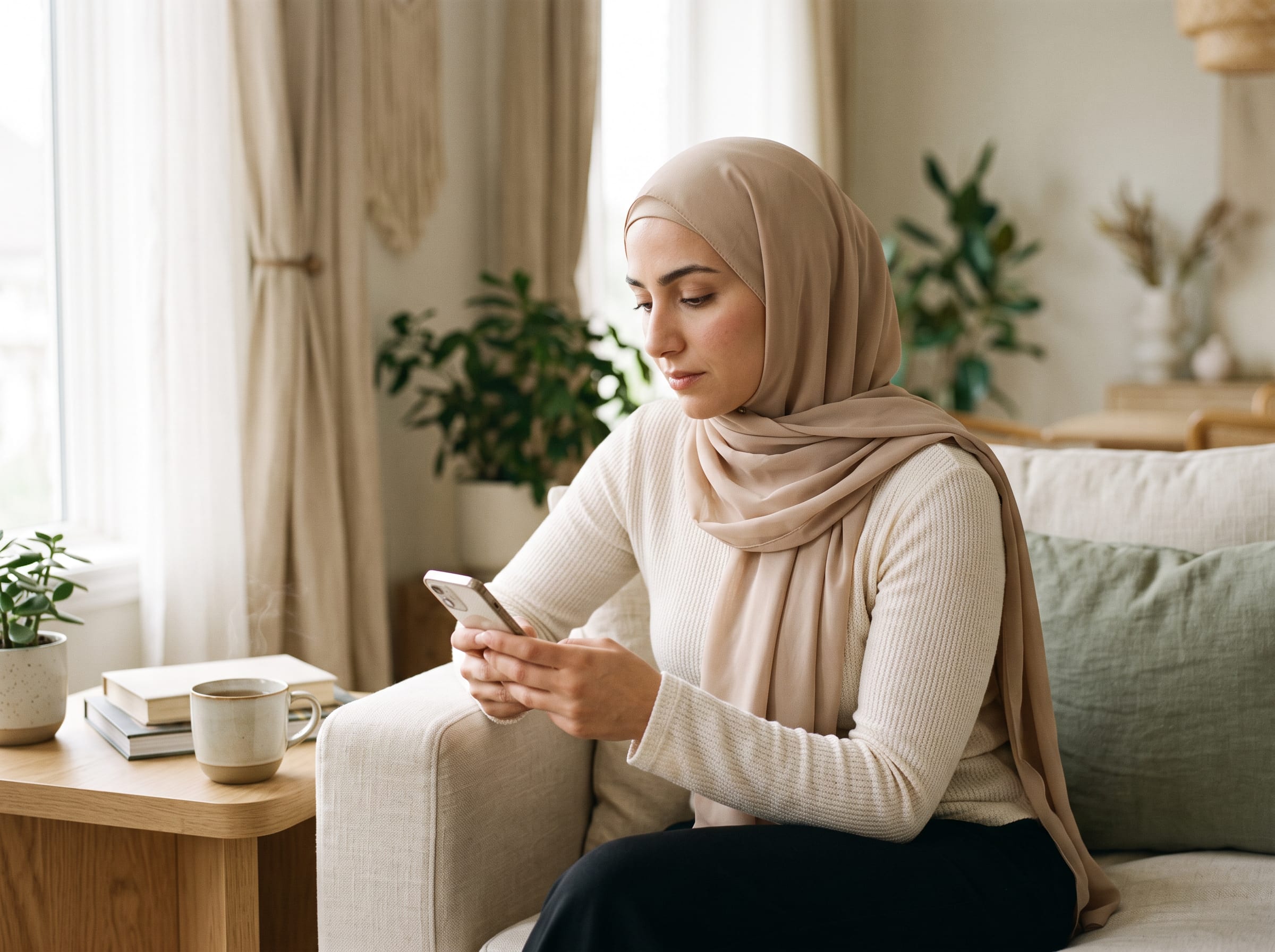
The solution is not always total disengagement, but practicing digital awareness and rearranging priorities to ensure lasting affection.
Practical Steps to Protect Your Privacy:
Open Dialogue: Speak clearly with your partner about what can be shared and what should remain confidential. Honest conversation builds stronger bridges than any virtual post.
Allocate “No‑Phone” Times: Make sure to spend quality time with your family away from cameras, building a genuine emotional memory unique to you and your partner.
Ask Yourself Honestly: Before pressing “publish,” ask yourself: Am I doing this to document a beautiful memory or to prove something to others?
Small details that remain confidential are what create the true depth of any successful relationship over the years. If you’re facing challenges balancing your digital life with your family reality, we’re always happy to help you; you can contact us at Alia Magazine for consultations that matter to you and support your psychological stability.
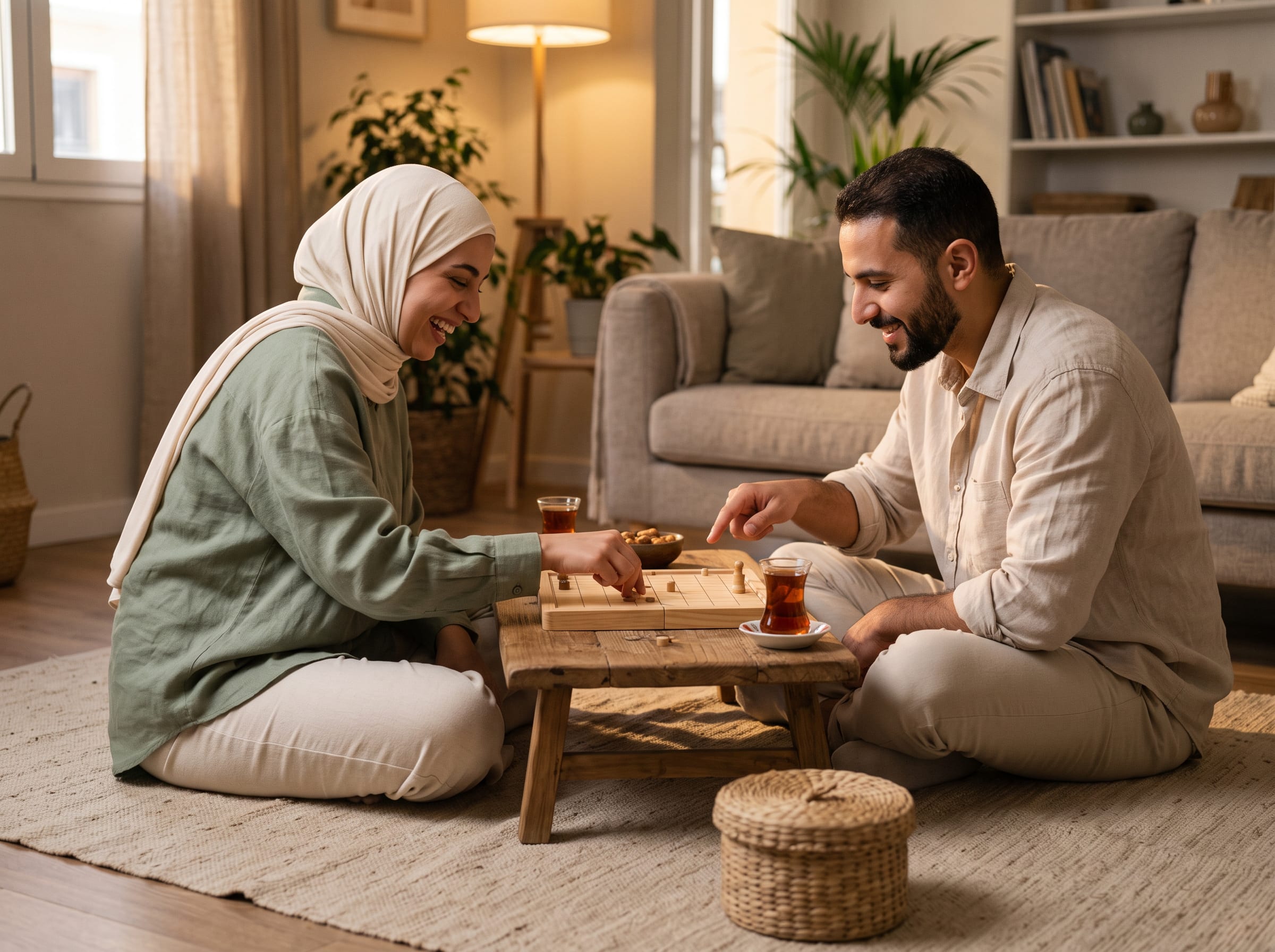
In conclusion, remember that publishing details of married life may give you a temporary pleasure of praise, but privacy gives you lasting security and priceless serenity.
Comments (0)
Add Your Comment
No comments yet. Be the first to comment!