Symptoms of Brain Tumors in Children: 5 Signs You Should Know
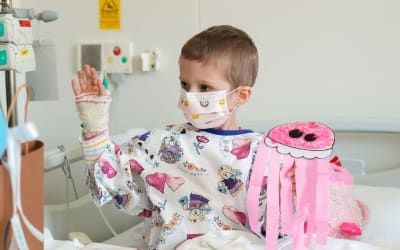
Pediatric brain tumors are conditions that require special awareness. Discover the most prominent symptoms of brain tumors in children to help your family deal with them effectively.

Symptoms of pediatric brain tumors are a vital aspect that requires significant awareness and precise understanding from parents and the medical community. These tumors, which arise from abnormal growth in brain cells or surrounding tissues, may be present from birth or appear during various stages of childhood. They directly affect brain functions if not effectively managed. This article from "Alia" aims to highlight the most prominent warning signs, types of these tumors, and available diagnostic and treatment methods, to empower mothers and families in Qatar and the Gulf to deal with these cases with awareness and knowledge, thereby enhancing the chances of early intervention and improving treatment outcomes.
Understanding Pediatric Brain Tumors: Types and Causes
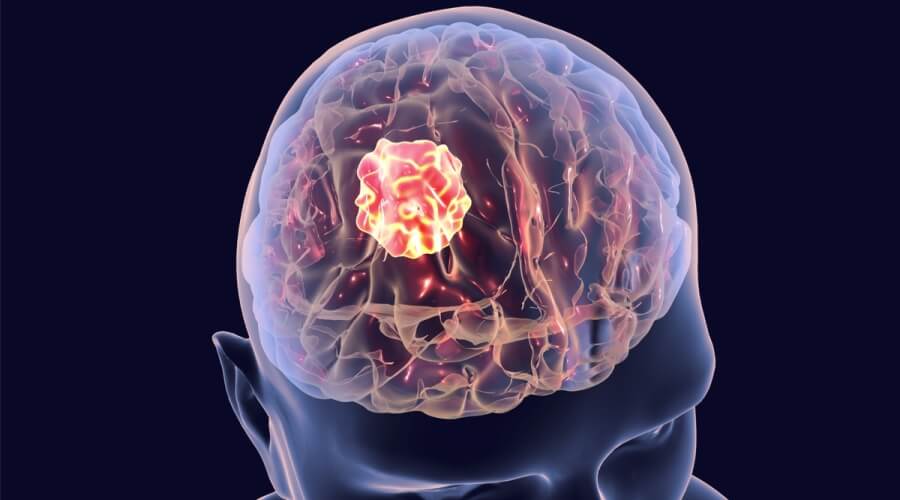
Pediatric brain tumors are defined as abnormal growths that develop inside or around the brain. These tumors can be benign (non-cancerous) or malignant (cancerous), and their impact varies significantly depending on several key factors. These factors include the tumor's location within the brain, its size, and the extent of its pressure on sensitive brain tissues or surrounding nerves. All these aspects combined determine the severity of symptoms and their impact on the child's vital and developmental functions.
Brain tumors are the second most common type of cancer in children after leukemia, and they require special medical attention due to the brain's sensitivity during development. These tumors can appear at any age, from infants to adolescents, and require a multidisciplinary treatment approach that combines the efforts of neurologists, oncologists, surgeons, and supportive care specialists.
Common Types of Pediatric Brain Tumors
Pediatric brain tumors vary in type, histological, and biological characteristics. Understanding these types helps in determining the most appropriate treatment protocols. Among the most commonly diagnosed types are:
Brainstem Gliomas: These tumors originate in the brainstem, a vital part that controls essential functions such as breathing, swallowing, and heart rate. Their impact is significant due to the sensitivity of this area.
Choroid Plexus Tumors: Often benign, these grow in the region responsible for producing cerebrospinal fluid. They may cause an accumulation of this fluid (hydrocephalus), increasing intracranial pressure.
Craniopharyngiomas: Usually benign, these grow near the pituitary gland, affecting hormone production and causing vision problems due to their proximity to visual pathways.
Ependymomas: These arise from the inner lining of the brain's ventricles and can cause obstruction in the flow of cerebrospinal fluid, leading to increased pressure on the brain.
Germ Cell Tumors: Can be present from birth and appear in various areas of the brain. They are characterized by their diversity and can be benign or malignant.
Medulloblastomas: Common malignant tumors that originate in the cerebellum, the part responsible for balance and motor coordination. These tumors require intensive therapeutic intervention.
Optic Nerve Gliomas: Affect the optic nerve and can cause vision problems ranging from visual impairment to vision loss.
These types differ in their natural course, response to treatment, and the challenges they pose to the child and their family. To learn more about these conditions, we invite you to visit the About Us section on our website, where we provide comprehensive information on women's and children's health.
Prominent Symptoms of Pediatric Brain Tumors: Warning Signs to Watch For
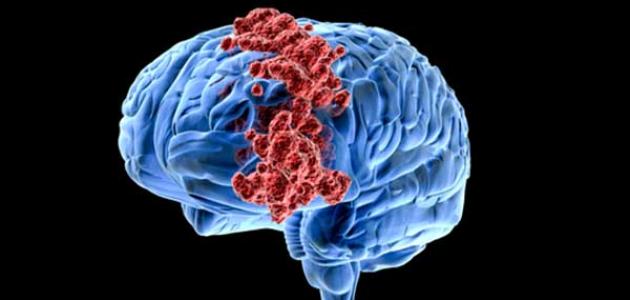
The symptoms of pediatric brain tumors vary greatly from child to child, and their appearance and severity depend on the tumor's location, size, and growth rate. It is crucial for parents to notice any persistent or abnormal changes in their children's behavior or physical health, as early detection plays a decisive role in treatment success.
Common Neurological and Physical Symptoms of Pediatric Brain Tumors
This category of symptoms includes those that directly affect the nervous system and essential bodily functions. Parents should pay attention to any of these signs that appear frequently or worsen:
Frequent and Persistent Headaches: Especially headaches that worsen over time, or that wake the child from sleep. These headaches may be accompanied by vomiting and often indicate increased intracranial pressure.
Nausea and Vomiting: Particularly vomiting that occurs without a clear cause, such as flu or food poisoning. It may recur in the early morning and be "projectile" (i.e., expelled with force).
Seizures: May appear as involuntary movements in part of the body or the entire body, and may be accompanied by loss of consciousness. These seizures require immediate medical evaluation to determine their cause.
Muscle Weakness or Difficulty Moving: This includes weakness in one limb (arm or leg), difficulty walking, or loss of balance. Parents may notice the child stumbling or falling frequently.
Balance or Vision Problems: Such as dizziness, frequent falls, double vision, or blurred vision. The child may tilt their head to avoid double vision, or have difficulty tracking objects with their eyes.
Sleep Disturbances: Changes in usual sleep patterns, such as severe insomnia or excessive sleepiness and unexplained lethargy during the day.
Difficulty Feeding or Swallowing in Infants: This is an important sign that warrants attention in early developmental stages and may indicate pressure on the brainstem.
Behavioral and Cognitive Changes Associated with Pediatric Brain Tumors
Brain tumors can also affect a child's personality and cognitive abilities, leading to noticeable changes in their behavior and performance:
Changes in Behavior or Concentration: The child may become more irritable, show unprovoked aggression, have difficulty concentrating at school, or exhibit sudden personality changes such as withdrawal or apathy.
Developmental Delay: Failure to reach expected developmental milestones for their age (such as delayed speech or walking), or loss of previously acquired skills (such as a decline in academic performance or loss of ability to write).
If you notice any of these symptoms persistently or worryingly, it is essential to consult a specialist doctor for evaluation. Early diagnosis plays a crucial role in improving treatment chances and outcomes.
Diagnosis, Treatment, and Prevention of Pediatric Brain Tumor Symptoms
Managing pediatric brain tumors requires a comprehensive approach focusing on accurate diagnosis, effective treatment, and providing psychological and social support for the child and family. Recent medical advancements have significantly improved the chances of recovery and quality of life for those affected.
How are Pediatric Brain Tumors Diagnosed?
Doctors rely on a range of advanced tests and techniques to accurately diagnose brain tumors and determine their type and stage. These steps are essential for developing a personalized treatment plan:

Neurological Examination: The doctor conducts a comprehensive assessment of brain functions, including vision, hearing, balance, muscle strength, and neurological reflexes. This examination helps identify affected areas of the brain.
Magnetic Resonance Imaging (MRI) or Computed Tomography (CT) Scan: These techniques are crucial for visualizing the brain in precise detail and determining the tumor's location, size, and its relationship to surrounding structures. A contrast agent is often used to enhance image clarity.
Biopsy: In some cases, a small sample of the tumor is surgically removed for microscopic analysis by a pathologist. This analysis is essential for determining the tumor type and whether it is benign or malignant, and helps guide treatment.
Genetic Testing: May be performed in some cases to identify genetic mutations or molecular changes associated with the tumor. This information helps in selecting the most appropriate targeted drug therapy, which targets the tumor's individual characteristics.
Treatment Methods for Pediatric Brain Tumors
The treatment plan varies significantly depending on the tumor type, location, size, and the child's age and general health. The treatment plan often involves a multidisciplinary combination of the following approaches:
Surgery: The primary goal is to remove as much of the tumor as possible without damaging healthy brain tissue. Surgery may also be used to reduce intracranial pressure, especially in cases of hydrocephalus.
Radiation Therapy: Uses high-energy rays (such as X-rays or protons) to kill cancer cells or slow their growth. It is used with particular caution in young children to minimize potential side effects on the developing brain, with an emphasis on precisely targeted radiation techniques.
Chemotherapy: Involves the use of powerful drugs to kill cancer cells throughout the body. It can be administered orally, intravenously, or even directly into the cerebrospinal fluid. The types of drugs and their dosages depend on the tumor type and the child's age.
Proton Therapy: An advanced type of radiation therapy that uses protons instead of photons. This type allows for more precise targeting of radiation to the tumor and reduces the impact on surrounding healthy tissues, thereby minimizing long-term side effects, and is preferred for children.
Targeted Drug Therapies: These drugs target specific molecules in cancer cells, inhibiting their growth or killing them while minimizing damage to healthy cells. These therapies represent a promising development in the treatment of brain tumors.
Can Pediatric Brain Tumors Be Prevented?
Unfortunately, there is no definitive way to prevent pediatric brain tumors, as most arise spontaneously without a clear cause or specific controllable risk factors. However, some general risks can be reduced and the child's overall health improved by adopting a healthy lifestyle:
Healthy Nutrition: Providing a balanced diet rich in vitamins, minerals, and antioxidants to support healthy growth and strong immunity for the child.
Regular Physical Activity: Encouraging children to exercise regularly to maintain a healthy weight and strengthen the body and immune system.
Reducing Exposure to Harmful Substances: Avoiding exposure to environmental pollutants and harmful chemicals as much as possible, such as pesticides or tobacco smoke.
Regular Medical Check-ups: Regular examinations by a pediatrician help in the early detection of any health problems, including initial signs that may indicate a tumor.
For more information about the causes of brain tumors in general, you can visit the Wikipedia page dedicated to brain tumors, which provides a comprehensive overview of this complex topic.
Cure Rate and Potential Complications of Pediatric Brain Tumors
The cure rate for pediatric brain tumors varies significantly based on several factors, most importantly: the type of tumor, the stage of its discovery, and its response to treatment. Fortunately, recent medical and therapeutic advancements have significantly improved treatment chances, especially in cases where diagnosis is early and appropriate treatment is applied quickly. Specialized and multidisciplinary care teams play a pivotal role in achieving the best possible outcomes.
However, some cases may lead to potential complications, either due to the tumor itself or as a result of the treatments used. These complications include:
Neurological Problems: May affect movement, speech, or cognition, often requiring physical, occupational, and speech therapy interventions.
Learning and Developmental Difficulties: Children may face learning challenges or delays in normal development, necessitating specialized educational and psychological support.
Post-surgical Complications: Such as bleeding, infection, or swelling, which require careful monitoring and immediate medical care.
Risk of Tumor Recurrence: The tumor may reappear or new tumors may form in the future, requiring long-term follow-up and regular examinations.
When Should You Be Concerned and Consult a Doctor?
It is essential for mothers to be aware of the warning signs of pediatric brain tumors. If you notice persistent and worrying symptoms in your child, such as recurrent headaches that do not respond to pain relievers, unexplained vomiting, or any sudden changes in behavior, motor skills, or vision, it is crucial to consult a specialist doctor to evaluate the condition. Early diagnosis and careful medical follow-up are key to improving treatment chances and reducing potential complications. Do not hesitate to seek medical advice if you have any doubts.
At "Alia," we pay special attention to women's and children's health in the Gulf region. If you have any inquiries or need more information, please do not hesitate to contact us, and our team will be happy to provide support and guidance.
Comments (0)
Add Your Comment
No comments yet. Be the first to comment!