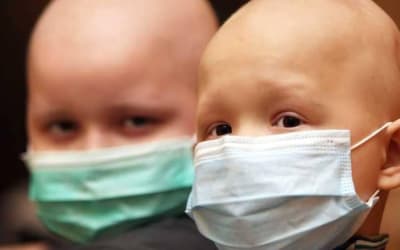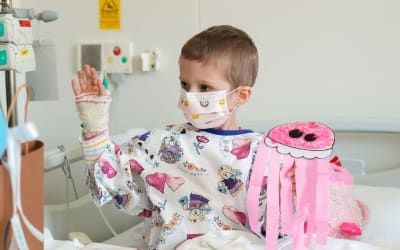
Brain cancer in children
A brain tumor is an abnormal growth of cells within the brain. These tumors may appear under a microscope, and through tissue examination, they are identified as benign or malignant based on the characteristics of their cells. However, it is important to know the location of the tumor in the brain...

A brain tumor is an abnormal growth of cells inside the brain. These tumors may appear under a microscope, and through tissue examination, they are identified as benign or malignant based on the characteristics of their cells. However, it is important to know the location of the tumor in the brain, as this determines many of the resulting health problems, including the ability to remove it completely and its response to treatment. It is also important to realize that brain tumors in children differ from brain tumors in adults in terms of their activity, treatment methods, and response to treatment.
Causes of Brain Tumors in Children
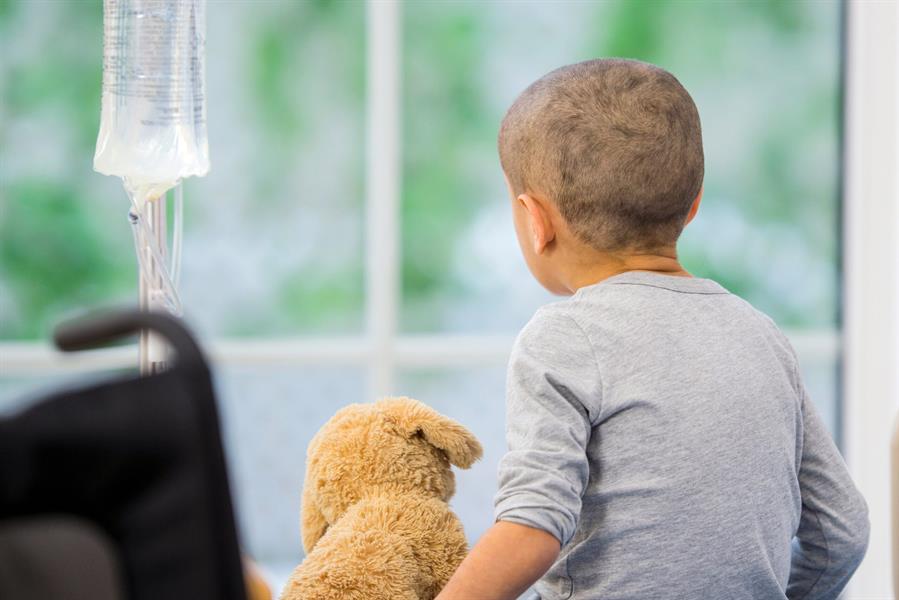
It is not known exactly what causes brain tumors in children, but a small percentage of them (less than 10%) may be due to genetic causes, so it is important to review the family's medical history. However, some children have genetic conditions that increase their chances of developing brain tumors, such as:
- Neurofibromatosis (NF1 &2)
- Tuberous Sclerosis
- Li Fraumeni syndrome
- Biallelic Mismatch Repair syndrome (BMMRD)
- Therefore, it is important to identify these cases early to perform periodic examinations, which reduces the complications of the tumor on the brain and increases the chances of recovery.
Symptoms of Brain Tumors in Children

Symptoms depend on the child's age, but they usually include:
- Frequent and abnormal tilting of the head.
- Increase in head circumference disproportionate to the child's age.
- Frequent nausea and vomiting (usually not accompanied by fever or diarrhea).
- Persistent or recurrent headaches.
- Imbalance and inability to walk properly.
- Strabismus, eye twitching, or vision impairment.
- Changes in behavior such as lethargy and inactivity.
- Involuntary movements and convulsions.
- Puberty disorders (early or late puberty).
- Unusually excessive drinking of water and urination.
Diagnosis of Brain Tumors in Children

The diagnosis of brain cancer in children is usually delayed, as symptoms may develop gradually and may not all appear. Also, any of the above symptoms may be indicators of other more common medical conditions in children. Therefore, if your child is experiencing any of these symptoms, you should discuss them with your doctor.
Diagnosis begins with reviewing the child's medical history and examining the sequence of symptoms, whether they have previous health problems, in addition to the family's medical history. Then, a complete clinical, physical, and neurological examination is performed, followed by an MRI of the brain (and sometimes an image of the spinal cord is added to determine the extent of the tumor's spread).
Treatment of Brain Tumors in Children

The images are evaluated by a diagnostic radiology specialist, pediatric oncologists, and neurosurgeons to determine the type of tumor and the possibility of performing surgery to remove the tumor completely or partially, or to perform a biopsy for laboratory diagnosis.
The biopsy is examined by specialized tissue doctors, and the scientific name of the type of brain tumor is determined, based on which the subsequent steps of treatment will be decided, which may include monitoring with MRI images only, or starting with radiation therapy or chemotherapy, or surgery (and these options can be combined depending on the condition of the patient). The treatment plan is determined by consultants from various specialties at the King Hussein Cancer Center and is approved collectively.
Recovery Rate
The recovery rate from brain tumors in children varies greatly depending on the type of tumor, its location, its stage at diagnosis, and other factors such as the child's age and response to treatment. In all cases, the earlier the tumor is detected, the higher the recovery rate. Although some tumors are difficult to treat, medicine is constantly evolving, and there are clinical trials and new treatments that improve outcomes.
Comments (0)
Add Your Comment
No comments yet. Be the first to comment!