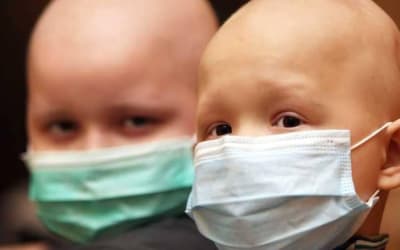
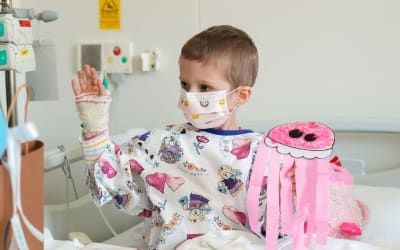
Childhood Leukemia: Early Symptoms and Treatment Methods
Leukemia is a malignant disease that affects blood cells and impairs the body's ability to produce healthy blood cells. This disease originates in the bone marrow, where blood cells are produced. Abnormal and uncontrolled development occurs in the affected cells...
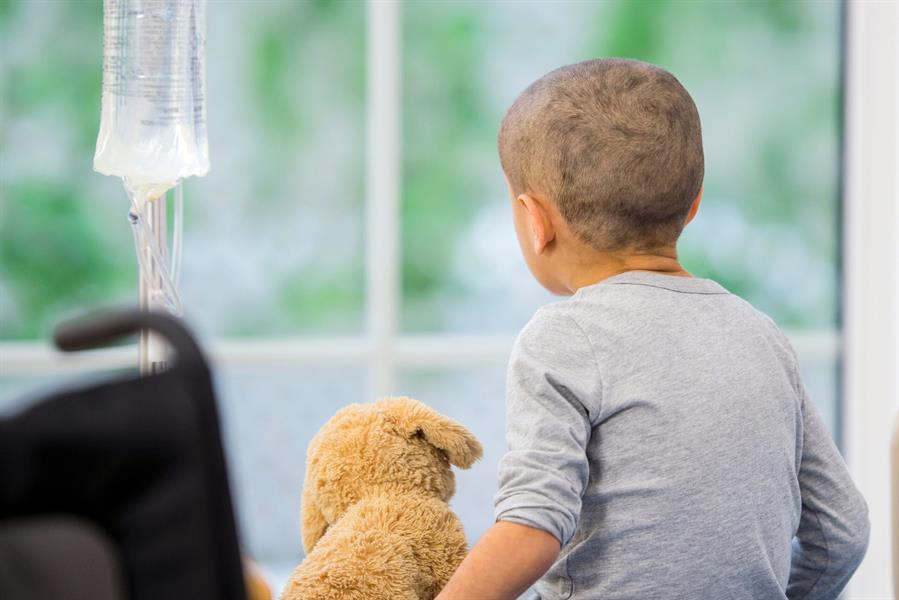
Leukemia is a malignant disease that affects blood cells and impairs the body's ability to produce healthy blood cells. This disease originates in the bone marrow, where blood cells are produced. Abnormal and uncontrolled development occurs in the affected cells, affecting their ability to mature normally.
Types of Blood Cells:
Three main types of blood cells are produced in healthy bone marrow:
- Red blood cells: Carry oxygen to the body's tissues.
- White blood cells: Defend the body against germs and viruses.
- Platelets: Help in blood clotting and stopping bleeding.
When leukemia occurs, blast cells can spread through the bloodstream to other organs such as the lymph nodes, liver, spleen, and central nervous system.
Symptoms of Leukemia in Children:
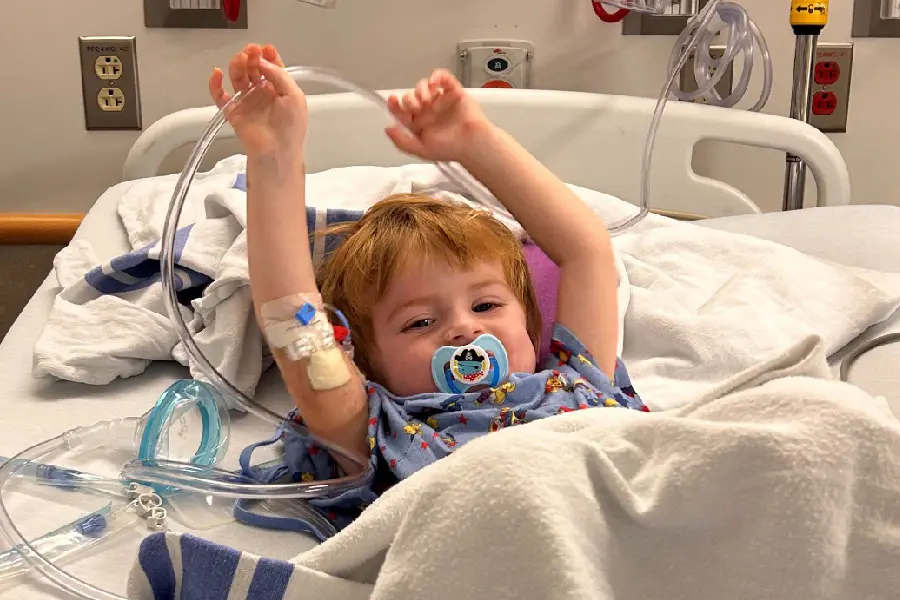
Common symptoms of leukemia in children include:
- Anemia, which leads to fatigue and paleness.
- Exposure to frequent bleeding.
- Recurrent infections.
- Bone pain.
- Enlarged liver and spleen.
- Headaches and, in some cases, swelling of the testicles.
It is important to note that these symptoms may be vague and non-specific, so it is essential to see a doctor if any of them appear.
Causes and Risk Factors of Leukemia in Children:
Leukemia occurs due to an abnormal change in the genetic code (DNA) within cells. This change leads to abnormal and uncontrolled cell growth.
Although the exact cause of this genetic defect is unknown, some studies suggest risk factors such as:
- Down Syndrome.
- Exposure to radiation.
- Having a family history of leukemia.
- Hereditary autoimmune diseases.
Complications of Leukemia:
Potential complications of leukemia in children include:
- The spread of cancer to other areas of the body.
- Cancer recurrence after treatment.
- Side effects on the heart and lungs.
- Slow growth and learning difficulties.
- Osteoporosis.
Diagnosing Leukemia in Children:
Diagnosis relies on several tests, such as:
- Blood test.
- Spinal tap (lumbar puncture).
- Cerebrospinal fluid imaging.
- Lymph node sampling.
The doctor may need to repeat some tests to obtain an accurate diagnosis and to confirm the type of leukemia in order to determine the appropriate treatment.
Childhood Leukemia Treatment:

In recent years, treatments for childhood leukemia have witnessed remarkable progress, leading to increased recovery rates. Treatment relies on several stages, including:
- Chemotherapy: Treatment is divided into several stages:
- Induction Phase: Lasts for several weeks.
- Intensification Phase: This phase lasts for a few months, during which the medication is administered intravenously.
- Preventive Treatment: The patient is given oral medication for a period ranging from one to two years.
- Radiation therapy: Used in some cases that require limiting the spread of cancer to the central nervous system.
- Bone Marrow Transplant: In advanced cases of the disease, treatment is enhanced with a bone marrow transplant.
Types of Leukemia in Children:
- Acute lymphoblastic leukemia (ALL): Most common in children, accounting for about 75% of cases.
Preventing Leukemia in Children:
Because the main cause of leukemia is unknown, there is no clear way to prevent it. However, parents should monitor for any abnormal symptoms and seek medical attention immediately if they appear.
How Parents Should Deal with a Child with Leukemia
Dealing with a child diagnosed with leukemia requires parents to have a great deal of patience, psychological, and physical support. Here are some tips to help them on this journey:

- Listening and Containment: Parents should listen to their child and provide emotional support, which helps the child express their feelings and fears. Reassure the child constantly that they are there for them throughout the treatment period.
- Open Communication: Talking to the child in an age-appropriate manner about the illness and treatment, to reduce ambiguity and fears. Simple and understandable words can be used to clarify the situation.
- Focus on Nutrition and Rest: Ensuring a healthy and balanced diet and supporting the child in getting enough rest to help boost the immune system and improve the ability to cope with illness.
- Collaboration with the Medical Team: Maintain a close relationship with doctors and nurses to provide the best medical care, and understand the details of the treatment and expectations of each stage. Do not hesitate to ask questions or express concerns.
- Maintaining a Routine: Trying to maintain a daily routine can help the child feel stable and secure. Regular activities such as playing or reading contribute to relieving stress and anxiety.
- Psychological Support: It is important for parents to seek psychological support for themselves and their child if necessary, such as joining support groups or contacting psychologists who can help cope with stress.
- Optimism and Patience: Maintaining a positive spirit despite the challenges can enhance the child's psychological strength and give them courage during treatment.
Leukemia is a malignant disease that requires careful and precise handling. Thanks to modern medical advancements, it has become possible to achieve high recovery rates in affected children, giving families hope to overcome this crisis.
Read more about childhood cancer: How to Talk to Your Child About Cancer: Tips for Promoting Honesty and Trust
How Healthy Food Can Support Children with Cancer
Comments (0)
Add Your Comment
No comments yet. Be the first to comment!