Childhood Eye Cancer: Early Diagnosis Makes a Difference in Your Child's Life
Eye cancer is the appearance of cancerous tumors on the retina, and it mainly occurs in children. We will discuss all the information about eye cancer in children. To begin, it should be known that eye cancer in children is the same as in adults, and there is no...
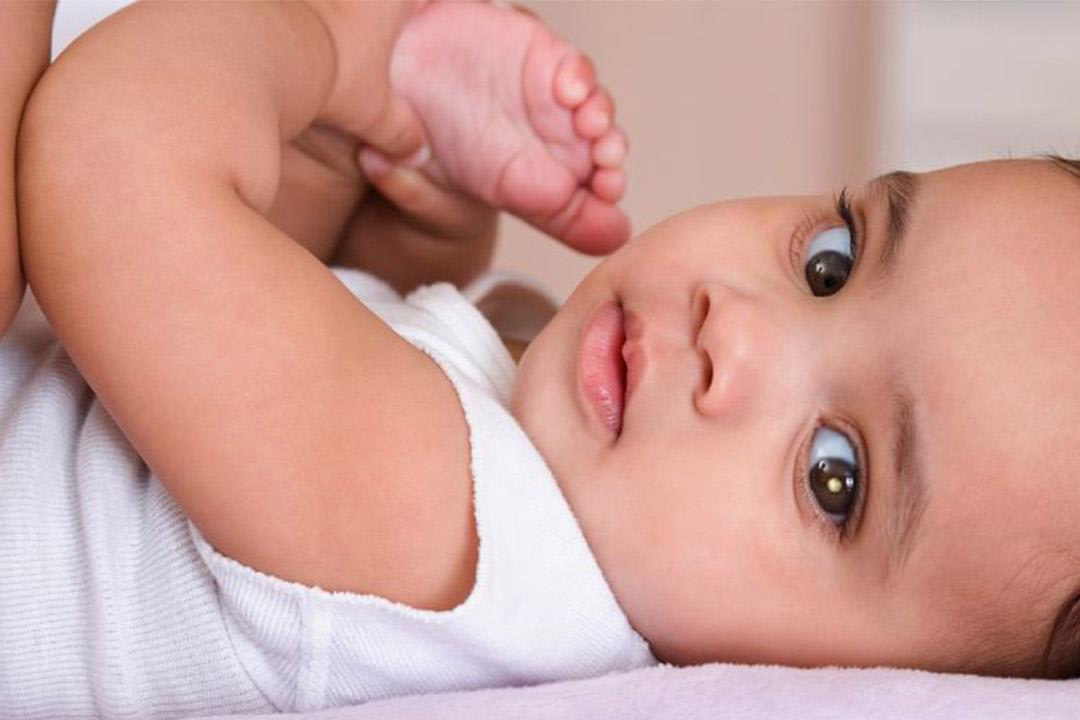
Eye cancer is the appearance of cancerous tumors on the retina, and it mainly appears in children. We will discuss all the information about eye cancer in children.
To begin, it should be known that eye cancer in children is the same as in adults, and there is no difference between them. The simplest definition of eye cancer is the abnormal growth and division of cells in the retina.
Eye cancer in children is actually a rare syndrome that appears in about four million children worldwide.
Of all malignant tumors that appear in children, retinoblastoma accounts for about 3% of them, but it is important to remember that not every tumor in the retina is considered eye cancer.
How Does Eye Cancer Develop in Children?
Retinoblastoma develops due to the emergence of genetic mutations in the RB1 gene, which affect its activity and prevent it from producing a specific protein important for controlling cell division. This problem allows the cell to divide randomly and turn into a dangerous cancerous tumor.
In both types of retinoblastoma in children (hereditary and sporadic), the gene is initially healthy, but after a certain period, it is damaged due to the development of mutations. It is known that 90% of carriers of retinoblastoma gene mutations actually develop this cancer.
Approximately half of retinoblastoma tumors in children occur due to genetic factors, while the remaining tumors appear without any genetic predisposition, but rather randomly. In most cases, patients who develop the disease for genetic reasons develop many tumors in both eyes. In contrast, retinoblastoma patients whose disease is random develop a tumor or tumors in only one eye.
In both cases, whether hereditary retinoblastoma or sporadic retinoblastoma, the tumor appears only in the retina and does not spread. However, there is a concern that the tumor may grow along the optic nerves and eventually reach the brain.
In addition, children with hereditary retinoblastoma are at high risk of developing other cancers unrelated to eye cancer, such as: osteosarcoma.
Symptoms of Eye Cancer in Children
Eye cancer usually does not show any signs, which is why it can develop without diagnosis and treatment. If signs and symptoms do appear, they are as follows:
- Strabismus.
- تشوش الرؤية.
- Seeing black spots from time to time.
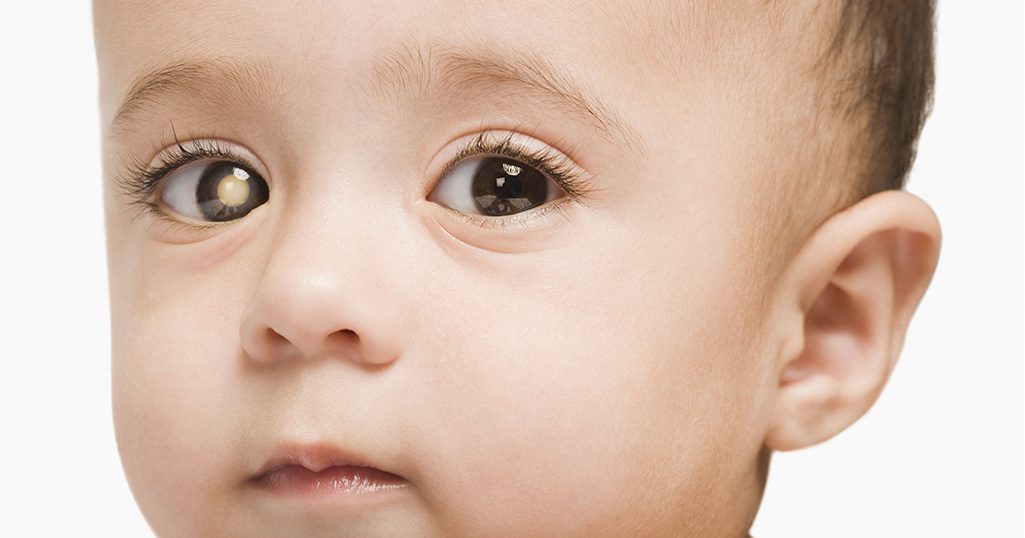
- White pupillary reflex (Leukocoria).
- التهاب العين.
- Appearance of different colors in the pupil.
- Appearance of a white color in the center of the eye's pupil when light is shone into the eye. This can appear in photos taken using a camera flash.
Diagnosing Eye Cancer in Children
Diagnosing eye cancer in children is essential to saving the child's life. However, in 15% of cases where retinoblastoma appears in only one eye, it is a hereditary cancer, even if there are no other relatives with the disease.
In order to identify genetic conditions, genetic testing is needed, in which the presence of the mutation is examined in all cells of the patient's body, and to examine which other family members carry the same mutation.
Identifying genetic conditions is of great importance because the patient is at risk of developing other tumors. In addition, their family members, especially their siblings, are also at risk.
What was mentioned is the precautionary diagnosis for hereditary eye cancer, but what is the eye cancer diagnosis used in children to confirm or deny the case? The answer is:
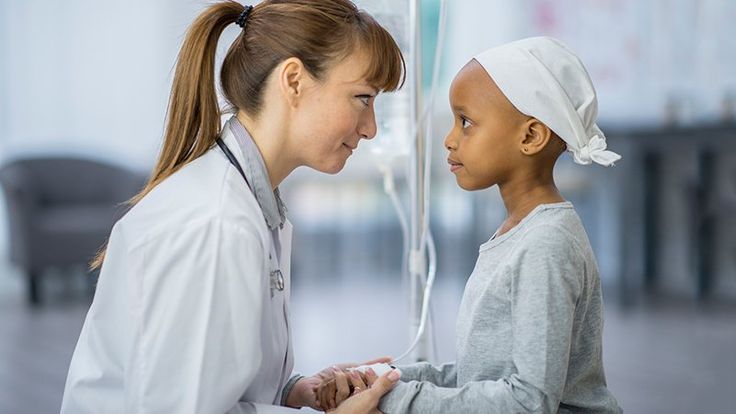
If a doctor suspects retinoblastoma, the child is given a general anesthetic, which causes them to lose consciousness, and the doctor examines both eyes together, using a light and a special lens (indirect ophthalmoscopy) to examine the child's retina through the lens and iris. General anesthesia is necessary because young children are unable to cooperate during the thorough examination, which takes time to diagnose retinoblastoma.
Cancer can also be detected through ultrasound imaging, computed tomography (CT) scans, or magnetic resonance imaging (MRI) of the eyes. These tests also help determine if the cancer has spread to the brain. Optical coherence tomography (OCT) is another imaging test that is sometimes performed.
Eye Cancer Treatment in Children
Treatment for eye cancer should include tests that determine both:
- Type of disease (hereditary, random).
- موقع وحجم الورم.
- Its impact on vision.
Treatments are then divided into:
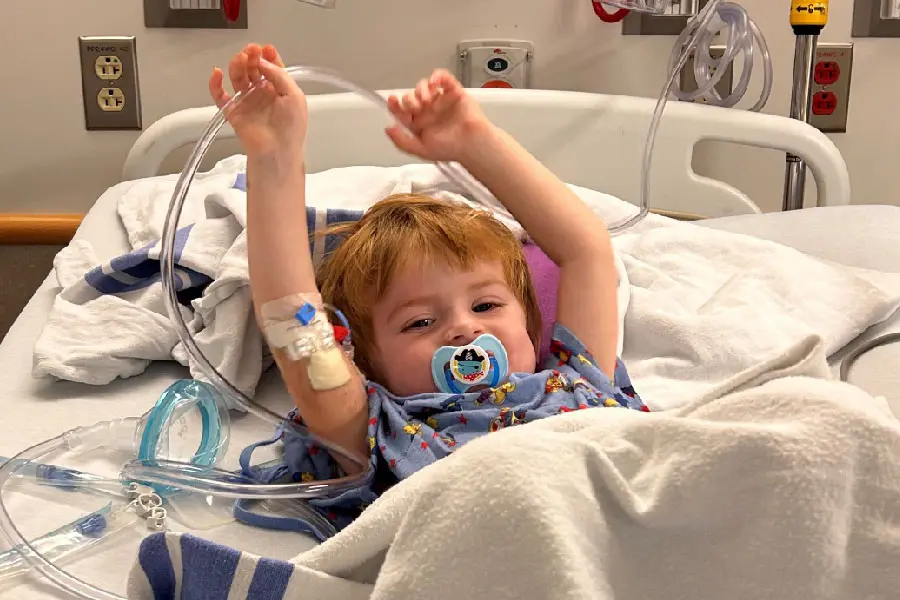
- Surgical Treatment
If retinoblastoma tumors appear in only one eye, the common surgical treatment is enucleation (removal of the eye).
Although this means losing the eye, enucleation is performed correctly, meaning cutting as much of the optic nerve as possible, and here the chance of complete recovery is very high.
- Chemotherapy or Radiation Therapy
If tumors appear in both eyes, intravenous chemotherapy is recommended. In addition, treatment may be administered through external beam radiation therapy, which is known to reduce the risk of various complications after the age of one year. - Cryotherapy
If the retinoblastoma is small and located in the front part of the retina, cryotherapy can be used to treat eye cancer in children. - Photocoagulation
If the tumor is in the back of the retina, it is possible to use photocoagulation, such as a laser beam, to destroy the tumor.
Important Advice
Patients with hereditary eye cancer and their at-risk family members are advised to undergo routine eye exams. Eye examinations allow for the detection of tumors at an early stage and their effective treatment, while reducing the risk of visual disturbances or other complications.
Read More: Talking to Your Child About Cancer with Transparency
Comments (0)
Add Your Comment
No comments yet. Be the first to comment!