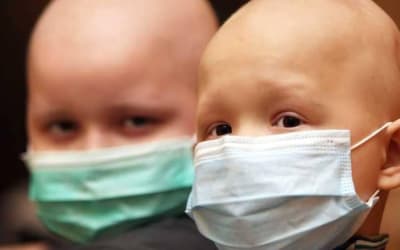
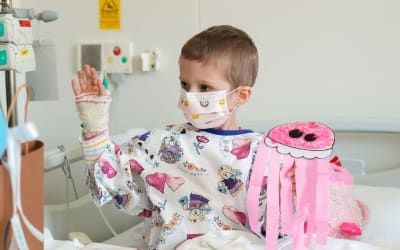
How can healthy food support children with cancer?
Eating healthy can contribute to improving the well-being of children with cancer and help them cope with the side effects of the disease and its treatments. In this article, we review a set of tips for feeding children with cancer, by...
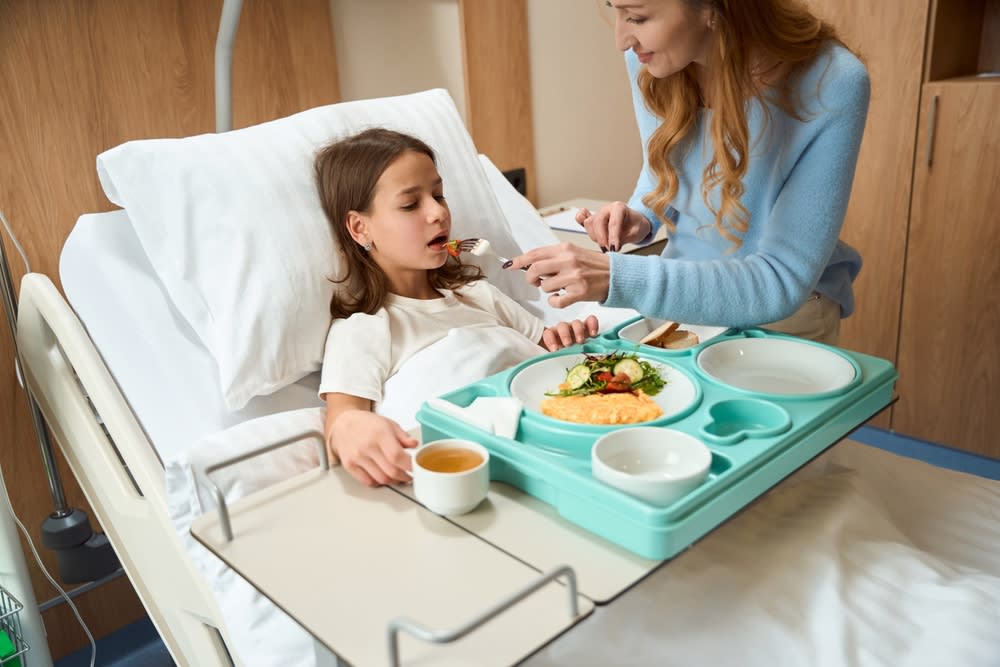
Healthy eating can contribute to improving the well-being of children with cancer and help them cope with the side effects of the disease and its treatments. In this article, we review a set of tips for feeding children with cancer, based on what is mentioned on the "Kids Health" website.
Tips for Feeding Children with Cancer
1. Drink plenty of water: Children receiving cancer treatments lose large amounts of water due to vomiting or diarrhea, or as a result of not drinking enough fluids. To avoid dehydration, make sure your child gets enough water, juices, and soup. Water contributes to essential body functions such as digestion, flushing out toxins, and maintaining body temperature. Fluids also help prevent constipation, which is important because constipation may reduce a child's desire to eat.
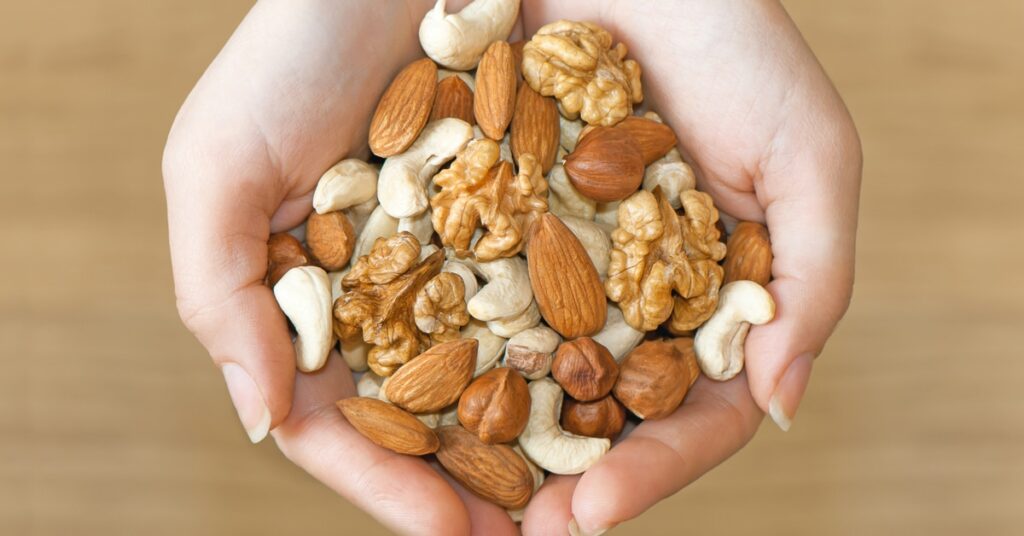
2. Increase protein and carbohydrates: Each child with cancer has special nutritional needs, so it is essential to consult a nutritionist to determine what is best for your child. In general, children with cancer need larger amounts of protein, carbohydrates, and healthy fats. Protein promotes growth, tissue repair, builds blood cells, and regenerates the immune system. Eating enough protein can help speed recovery from the side effects of chemotherapy and radiation, and prevent infection. Good sources of protein include cheese, eggs, milk, yogurt, lean meats, poultry, fish, beans, peanut butter, nuts, lentils, and soybeans.
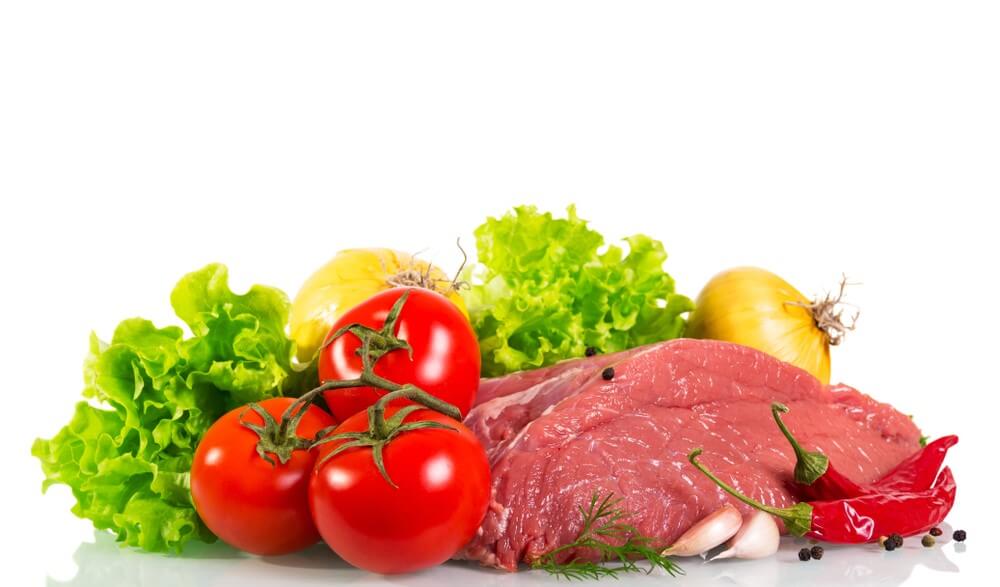
Carbohydrates act as fuel for the body, providing energy to cells and helping maintain organ functions. Good sources of carbohydrates include bread, pasta, potatoes, rice, grains, fruits, corn, and beans.
More about childhood cancer: How can avocados benefit children with cancer?
Healthy fats help store energy, insulate body tissues, and transport certain vitamins through the bloodstream. Fats are also rich in calories, which are important for children who may lose weight during treatment. Healthy fats are found in fish, nuts, olive oil, and vegetables such as avocados.
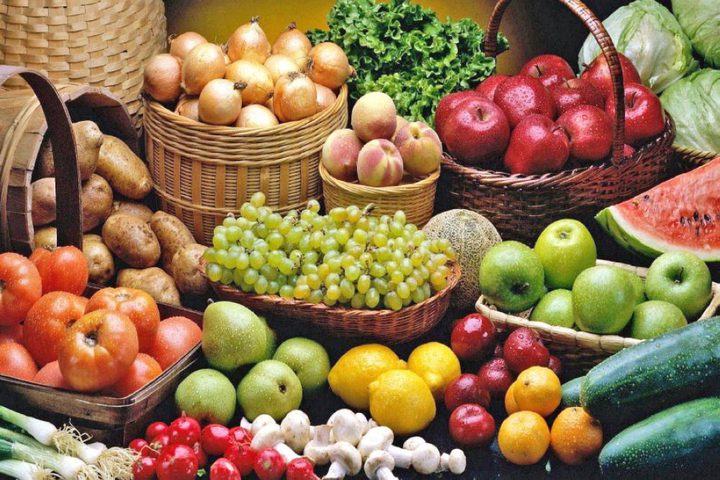
3. Maintain a balanced diet: It is important for children with cancer to follow a balanced diet that includes all food groups. This includes fruits, vegetables, whole grains, proteins, and healthy fats. Variety in foods can help ensure that the child gets all the vitamins and minerals necessary to support their overall health and growth.
4. Eat small, frequent meals: Due to the effects of chemotherapy and radiation, children may experience loss of appetite or nausea. Eating small, frequent meals can help avoid feeling full quickly and improve their food intake. You can offer healthy snacks such as yogurt, sliced fruits, nuts, and protein-rich foods.
5. Promote the intake of vitamins and minerals: Children with cancer need adequate amounts of vitamins and minerals to support their immune system and help in recovery. Vitamins and minerals can be obtained from natural foods such as fruits, vegetables, nuts, and seeds. In some cases, a nutritionist may suggest dietary supplements to ensure the child gets enough of these essential elements.
6. Consider dietary habits: Parents should consider dietary habits that may have changed due to the illness or treatment. For example, the child may prefer some foods over others or may need to avoid certain foods that cause nausea. Parents should be flexible and willing to adjust the diet to suit the child's needs.
7. Maintain a comfortable eating environment: Meals should be comfortable and stress-free times. Creating a comfortable and welcoming environment can help improve food intake. Make meals a family time and avoid pressuring the child to eat large amounts of food if they are unable to do so.
Nutrition plays a vital role in supporting children with cancer during their treatment journey. By following the tips mentioned above, parents can provide the necessary nutritional support for their children, which contributes to improving their overall health and enhancing their ability to overcome the disease and its side effects. Always remember to consult a nutritionist to ensure the most appropriate diet for your child.
More about childhood cancer: All about childhood cancer.. Symptoms, types, and treatments
Comments (0)
Add Your Comment
No comments yet. Be the first to comment!