Motivational words that will give your child a boost of confidence and happiness!
Directing encouraging phrases to children is considered more than just words said to them in a fleeting moment; rather, they are effective tools that contribute to building their personalities and enhancing their self-confidence. Recent studies in educational psychology indicate that encourag...
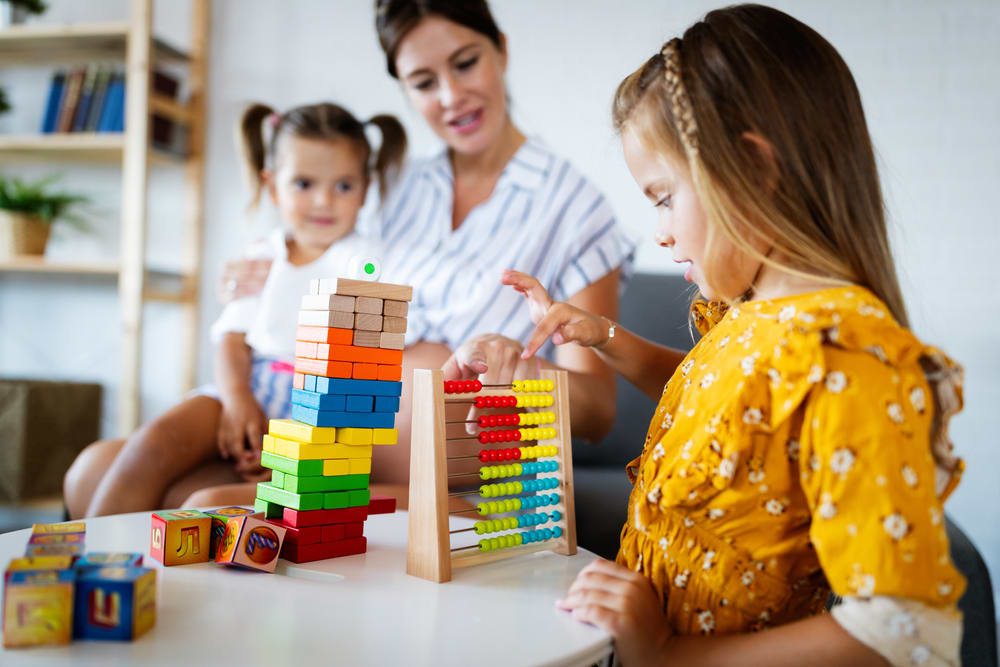
Offering encouraging phrases to children is more than just words spoken to them in a fleeting moment; they are effective tools that contribute to building their personalities and enhancing their self-confidence. Recent studies in educational psychology indicate that verbal encouragement stimulates the brain to release happiness hormones like dopamine, which increases the child's motivation to learn and strengthens their positive connection with the surrounding environment. Therefore, choosing the right phrases is not a luxury, but a necessary step in modern education.
In this article, we will explore together why encouraging phrases are important. Then, we will learn about their different types, and finally, we will provide you with a set of practical ideas ready for use in your daily life with your little one. You will also find scientific tips on how to use these phrases effectively without excess or exaggeration.
The Importance of Encouraging Phrases in Raising Children
It is important to realize that encouragement is not just a compliment, but a well-established educational foundation. Research at Harvard University indicates that children who receive regular verbal support have higher levels of psychological resilience and the ability to cope with failure. This means that your small words are capable of creating a safe environment that motivates your child to experiment and explore without fear.
These phrases also help in developing the concept of self-esteem. When a child hears a phrase that affirms their efforts, such as "You tried well," they learn that their self-worth does not depend only on the final success but on the effort made. This enhances the growth mindset that researcher Carol Dweck talked about, which is one of the secrets of academic and professional success in the long term.
Types of Encouraging Phrases for Children

There are several types of phrases you can use depending on the situation. First, there are phrases related to effort, such as: "I liked your perseverance today." These phrases focus on the process, not the result, which motivates the child to continue.
Secondly, there are phrases that enhance self-confidence, such as: "I trust your ability to solve this question." These sentences make the child feel that they are trusted and that their opinion is important. Finally, phrases that enhance moral values, such as: "Your behavior was kind to your friend," help in shaping the moral conscience and developing empathy. Combining these types creates a healthy balance in the child's personality and prevents them from becoming someone who depends only on external praise.
When Should These Phrases Be Said?
The appropriate timing for saying encouraging phrases to children plays a pivotal role in their effectiveness. Studies in behavioral neuroscience indicate that the brain responds more strongly to praise when it comes immediately after the positive action. Therefore, try to express your appreciation immediately after the child's good behavior.
Balance is also advised, as excessive praise may cause the child to lose intrinsic motivation. For example, do not repeat the same sentence dozens of times a day. Instead, vary the phrases and focus on small details to show your child that you are really paying attention to their effort.
Practical Examples of Encouraging Phrases

It is helpful to prepare a ready-made list of phrases to use in different situations. For example:
- "I liked how you tried more than once until you succeeded."
- "I love your creativity in this drawing."
- "You did well when you helped your sister."
- "I am proud of your ability to be patient."
These sentences are short and clear and help the child understand what they did correctly. It is important that the phrases are specific, not general, because general phrases such as "You are wonderful" lose their meaning over time and do not help the child know which behavior should be repeated.
Scientific Tips for Using Encouraging Phrases
According to positive psychology, phrases should be honest and not exaggerated. The child has the ability to sense honesty, and unrealistic praise may lead to a weakening of trust between you.
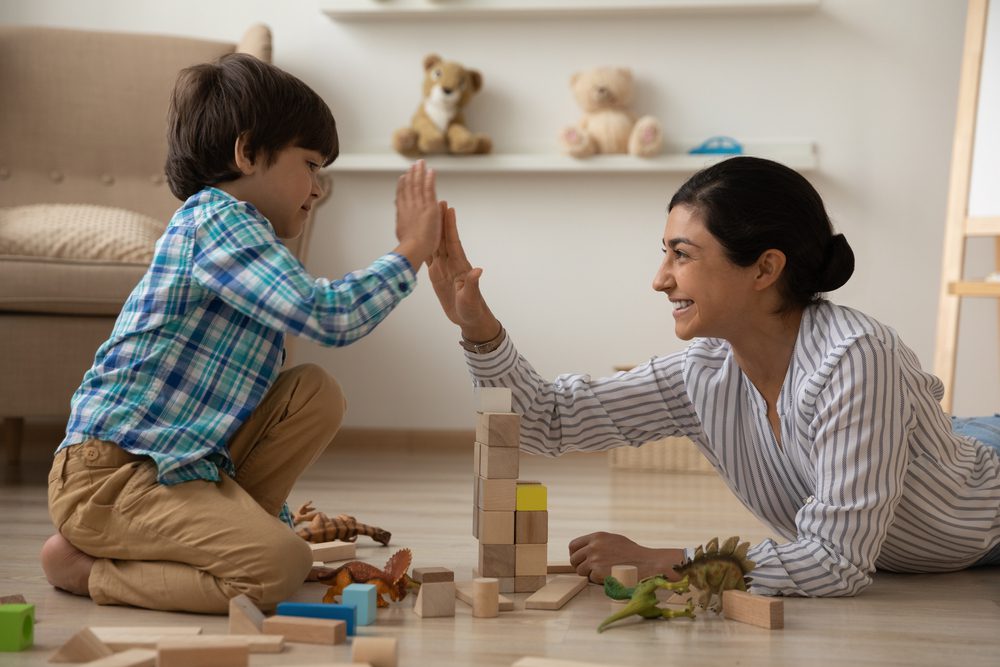
Also, it is helpful to combine verbal encouragement with non-verbal encouragement such as a smile or a hug. This enhances the emotional impact and makes the child associate your words with warm feelings. Finally, make sure that the phrases are comprehensive for different areas of the child's life: school, play, social relationships, and even new skills.
Comments (0)
Add Your Comment
No comments yet. Be the first to comment!