How does early sleep protect your child from diseases?
Early Sleep is the Secret to Your Child's Health! Discover how it enhances growth, intelligence, and immunity. Practical tips for today's mothers in the article. Children's health is our priority!
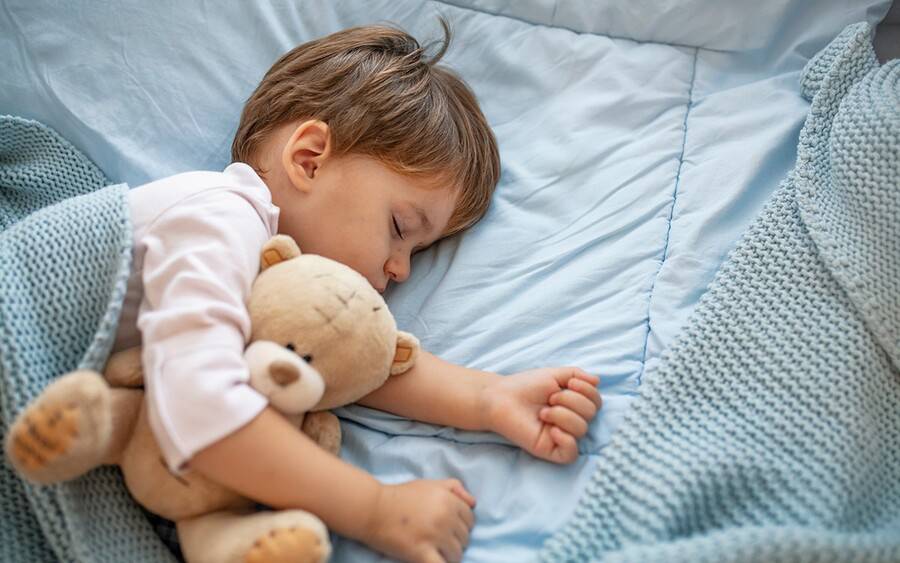
There is no doubt that the quality of family life largely depends on adopting well-established healthy habits, foremost of which is early bedtime for children as an inevitable necessity to ensure comprehensive and balanced growth. Sleep is not just a passing break, but a complex physiological process, interspersed with cell repair and regulation of vital hormones. Therefore, conscious mothers are keen to consolidate their children's biological clock, in order to avoid any potential health or psychological problems.
In this article, we review the direct and indirect positive effects of regular sleep, focusing on the latest studies that link nighttime rest with outstanding academic achievement.
We shed light on the mechanisms of secretion of the sensitive growth hormone, the effect of rest on strengthening the immune system, and provide practical guidance for mothers seeking to improve the quality of life of their children. With constant emphasis on the importance of consulting a specialist doctor when noticing any persistent disturbances in sleep patterns.
1. Promoting Physical Growth and Secretion of Vital Hormones
Scientists confirm that sleep is not just a state of inactivity, but it is the body's preferred time to complete complex construction processes.
The largest part of growth hormone (GH) secretion occurs during the early hours of the night, specifically in the deep sleep stage. Medical studies indicate that the pituitary gland releases this hormone intensively as soon as the child enters a deep sleep before midnight. This highlights the importance of the benefits of early sleep for children in increasing height and strengthening bones. The growth process consumes enormous energy that the body derives from complete rest, where muscle tissues are renewed and metabolic processes improve. Research shows that children who sleep late are at greater risk of obesity, due to hormonal imbalances in leptin and ghrelin, which are responsible for the feeling of satiety and hunger.
2. Developing Mental Skills and the Ability to Concentrate
Sharp intelligence and strong memory are closely related to the number of hours a child spends in bed before the late hours.
During the day, the brain receives huge amounts of information, and early sleep acts as a filter and organizer for this data. Getting nighttime rest plays a pivotal role in the "memory consolidation" process. Where the brain transfers information from short-term memory to long-term memory. A study conducted by the University of British Columbia found that children who adhere to a strict sleep schedule outperform their peers by more than 30%. Organized sleep reduces distraction, increases the ability to solve complex problems, and gives the child mental alertness that enables him to absorb school lessons with high efficiency.
3. Strengthening the Immune System and Resisting Diseases
The immune system acts as a protective shield for the child, and this shield strengthens or weakens depending on the quality and timing of sleep.
During sleep, the body produces proteins called "cytokines," which are molecules that help the immune system fight infection and inflammation. The effectiveness of virus-killing T cells increases when the body gets enough rest before midnight; therefore, the benefits of early sleep for children are evident in reducing the number of colds and flu. Constant staying up late causes stress on the nervous system, which raises cortisol levels in the blood, a hormone that weakens the body's response to diseases. Children with chest or skin allergies need special sleep care, because lack of rest increases the severity of these health symptoms and makes the body more susceptible to inflammation.
4. Psychological Stability and Adjustment of General Behavior
Lack of sleep directly affects brain chemistry, which is reflected in the child's actions and reactions towards those around him.
Educators note that a child who does not get enough early sleep suffers from sharp mood swings and unjustified fits of anger. Rest contributes to regulating the secretion of serotonin, the neurotransmitter responsible for feelings of happiness and stability. Lack of sleep plays a negative role in increasing levels of anxiety and stress in young children, and may develop into behavioral disorders such as aggression or introversion. The benefits of early sleep for children give the brain a chance to reset emotions, making the child more flexible in dealing with daily frustrations and more able to build positive social relationships with his peers.
5. The Mother's Role in Building an Ideal Sleep Environment
The mother bears the greatest responsibility in creating the appropriate conditions that stimulate the child to enter a deep and peaceful sleep.
The mother should set a fixed schedule that prevents the use of electronic screens at least two hours before bedtime, because blue light disrupts the production of melatonin. Education experts advise adopting soothing rituals, such as reading, a warm bath, or listening to quiet stories. The ideal environment includes providing a moderate temperature, dim lighting, and preventing drinks containing high sugars in the evening. Adherence to these rules transforms the sleep process from a daily struggle to moments of affection and trust between the mother and her child, which establishes healthy habits that last throughout his life.
Conclusion
In conclusion, it is clear to us that paying attention to the timing of young children's sleep is not a luxury, but a long-term investment in their physical and mental health. The benefits of early sleep for children include protecting them from chronic diseases, developing their cognitive abilities, and ensuring their psychological balance. Every father and mother should realize that the hour a child gains in sleep before midnight is equivalent in its biological value to two hours of daytime sleep. We always emphasize the need to monitor any strange symptoms, such as persistent snoring or frequent awakening, and consult a specialist doctor to ensure that there are no organic obstacles preventing the child from enjoying healthy sleep. It is worth mentioning that we have previously revealed to you how to teach children letters step by step in a simple style that suits every mother.
Comments (0)
Add Your Comment
No comments yet. Be the first to comment!