Children's Fasting: When and How Do We Start?
Ramadan is sweeter with children! How do we instill in them a love for fasting and goodness? Golden tips and fun ideas for an unforgettable month. Discover more!
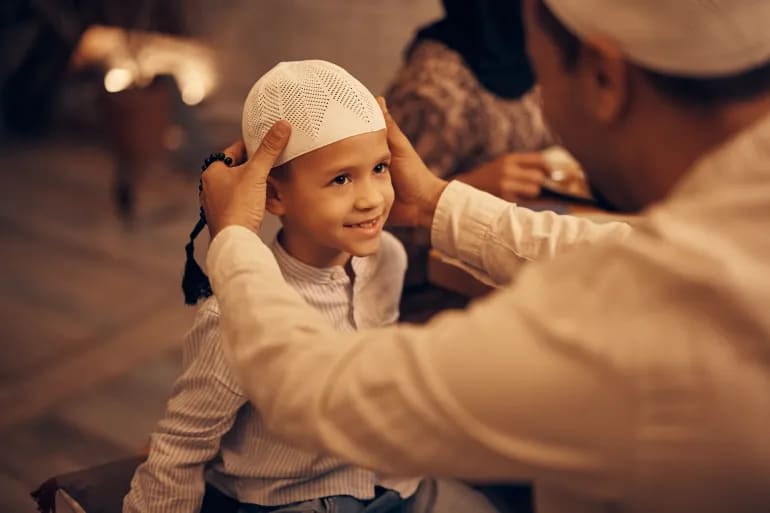
The blessed month of Ramadan is a special spiritual station filled with contemplation, worship, and gratitude, and it is a precious opportunity to instill beautiful values in children from a young age. When a child experiences the atmosphere of the month with a positive spirit, they become more aware of its meanings and grow up carrying warm memories and a special love for it.
Although fasting may seem difficult for children at first due to hunger or changes in their daily routine, the family's role is very important in making the experience enjoyable and motivating, through creativity, attention to family traditions, and involving the child in the details of the month.
When does a child start practicing fasting?
Fasting is an act of worship that requires gradual practice and acclimatization, so young children are not expected to fast the entire month of Ramadan. However, many families prefer to gradually accustom their children from an early age so that they can gain the ability to fast when they reach puberty.
It is important for parents to consider several factors before encouraging a child to fast, such as their health, activity level, and ability to tolerate hunger and thirst. It is also recommended that the child be part of the fasting decision itself, as this enhances their sense of belonging and responsibility.
One can start with what is known as practice fasting, such as fasting for only a few hours, or abstaining from a specific meal, which are steps that help the child gradually gain patience and flexibility.
Important Tips for Children Fasting
The family should pay attention to the health of the fasting child through some basic guidelines, the most important of which are:
Ensure a balanced suhoor meal rich in fiber and protein to give them longer-lasting energy.
Reduce sugars and salty foods that increase thirst.
Encourage the child to drink enough water during the iftar period.
Avoid strenuous physical activities during fasting hours.
Serve iftar in a balanced way without overeating to avoid digestive problems.
Effective Ideas to Motivate Children to Love Ramadan
A child might only associate Ramadan with abstaining from food, so they need to experience its joyful aspects as well. Parents can achieve this in simple and impactful ways.
Introduce them to the meanings of Ramadan
Start by talking to your child about the beautiful values of the month, such as patience, giving, and helping those in need. Ramadan stories can be used to convey these concepts in a fun and easy way.
Create a Ramadan atmosphere at home
Decorating the house with lanterns and decorations instills enthusiasm in children's hearts. They can be involved in making the decorations by hand, which gives them a sense of participation and joy.
Involve them in preparing Iftar
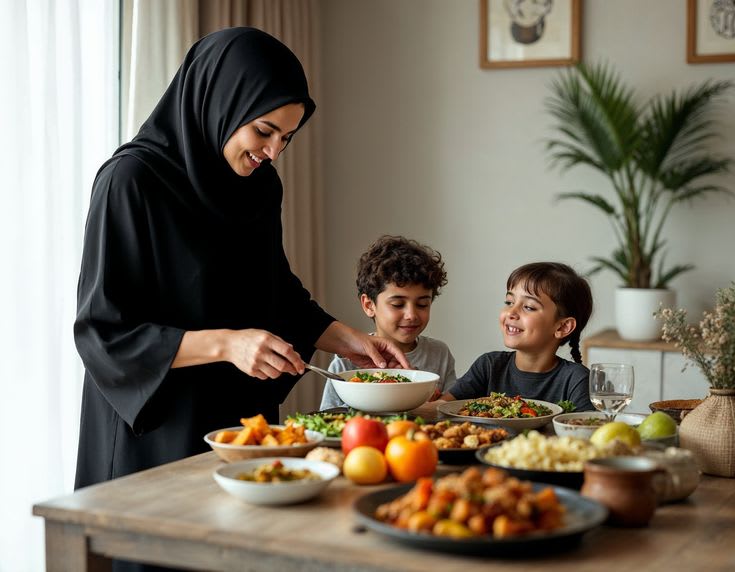
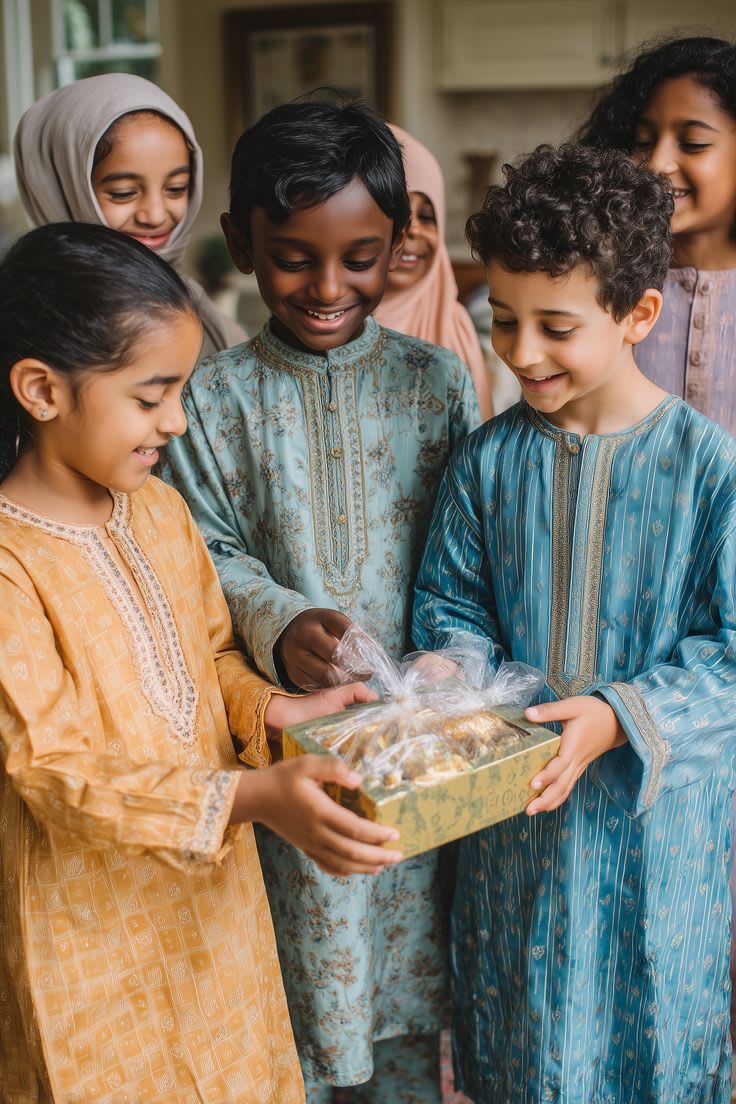
When a child helps set the table or prepare a simple dish, they feel like they are part of the month's atmosphere. They can also be encouraged to share food with neighbors to promote the spirit of giving.
Organize fun activities
Coloring contests for lanterns can be organized, or a Ramadan calendar with simple daily tasks like reading a verse or doing a good deed.
Teach them the values of giving
Ramadan is an ideal opportunity to instill the spirit of solidarity, such as involving children in distributing food, donating clothes, or setting up a small box where they collect donations for the needy.
Strengthen their relationship with the Quran
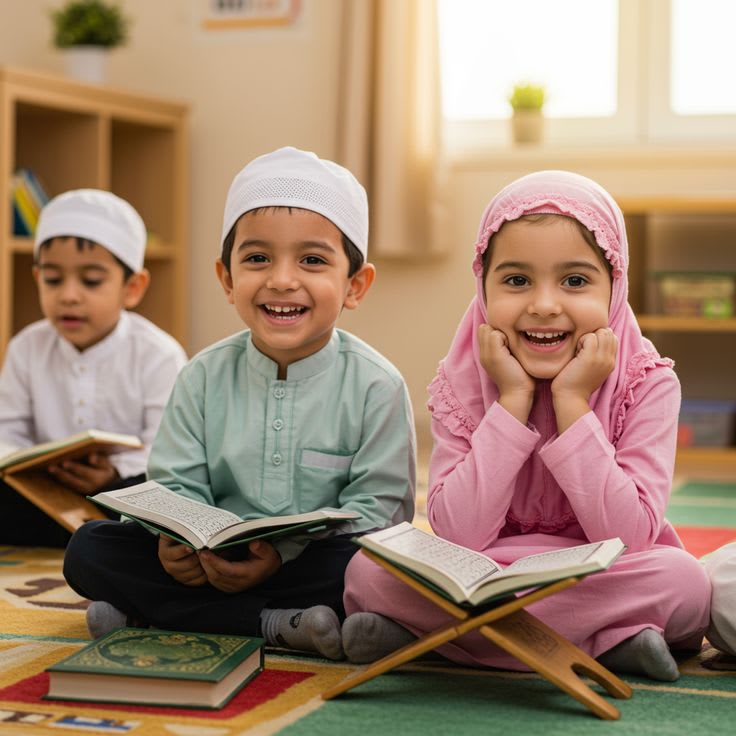
A daily time can be allocated for reading the Quran with children or memorizing short verses in a fun way, such as turning it into a game or competition with encouraging rewards.
Use motivational rewards
Simple rewards are an effective way to support a child's behavior, whether for partial fasting or for helping with household chores.
Conclusion
When a child experiences Ramadan in an atmosphere filled with love, joy, and beautiful values, fasting transforms from a difficult experience into a happy memory that stays with them for life.
The true key is gradual practice, support, and making the month an opportunity to build a positive relationship between the child and the spirit of Ramadan.
Comments (0)
Add Your Comment
No comments yet. Be the first to comment!