Vaccinations for Children with Cancer: When and How?
Treating childhood cancer is a sensitive stage that affects various aspects of a child's health and social life, including completing the vaccination schedule. In this article, we will review the impact of cancer treatment on children's ability to receive vaccinations...
Treating childhood cancer is a sensitive stage that affects various aspects of a child's health and social life, including completing the vaccination schedule. In this article, we will review the impact of cancer treatment on children's ability to receive vaccinations, the underlying reasons for this, and when they can resume the vaccination schedule after treatment.
Vaccinations and Their Importance for Children
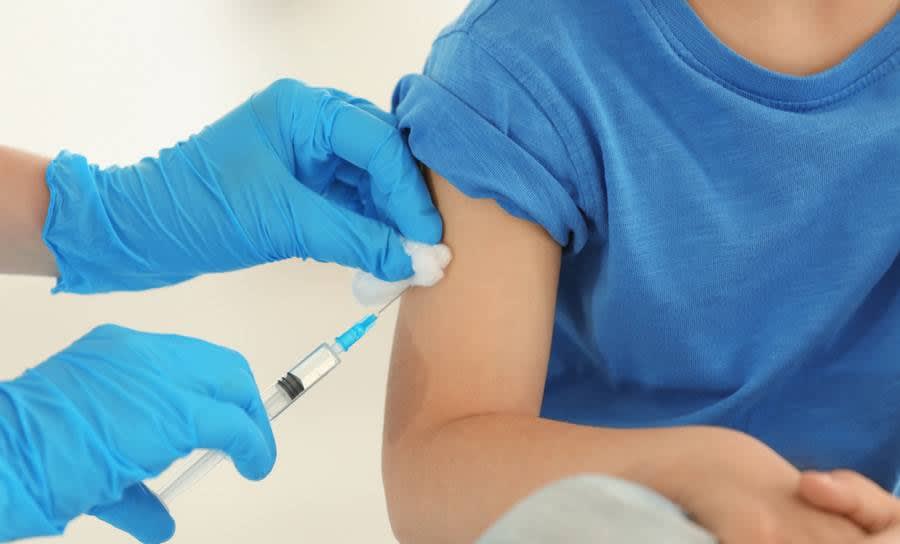
Vaccinations are an effective way to protect the body from germs such as viruses and bacteria. They work by strengthening the immune system by exposing it to a safe amount of parts of the germ or a weakened version of it, so that the immune system can recognize the germ and attack it if the child is exposed to it in the future.
However, pediatric cancer patients, who suffer from weakened immune systems due to chemotherapy or radiation, may not be able to fully benefit from vaccinations during treatment.
Why Might Pediatric Cancer Patients Not Receive Certain Vaccines?
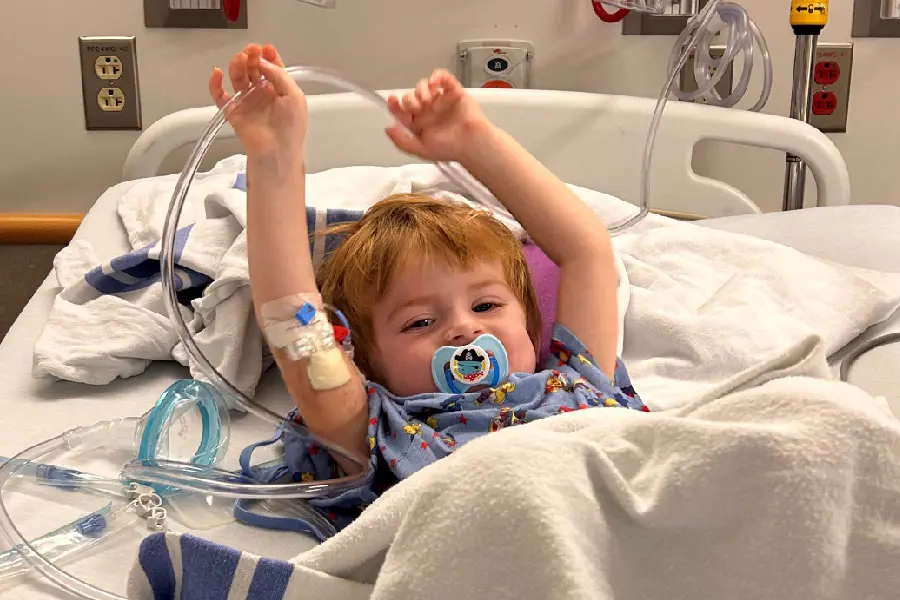
The weakened immune system in children with cancer makes their response to vaccines less effective. In normal cases, the vaccine needs a strong immune system to work efficiently, which may not be available to children during treatment.
Moreover, some vaccines may contain attenuated (weakened) viruses, such as the measles, mumps, and rubella (MMR) vaccine or the varicella (chickenpox) vaccine, which may cause infection in immunocompromised children.
Vaccines to Avoid During Cancer Treatment
Children with cancer should avoid vaccines that contain live viruses, such as:
- Measles, mumps, and rubella (MMR) vaccine.
- Varicella (chickenpox) vaccine.
- Nasal spray flu vaccine.
- Rotavirus vaccine.
In contrast, children can receive inactivated vaccines, such as the flu shot, which is considered relatively safe and effective.
What Vaccines Are Recommended During Treatment?
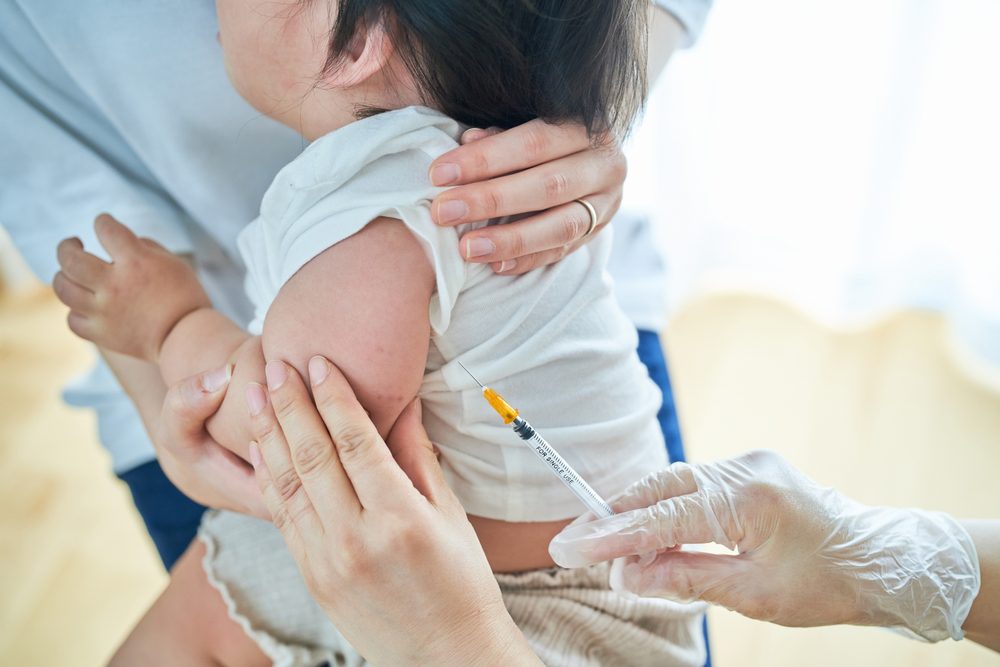
The Infectious Diseases Society of America recommends that children with cancer receive an annual flu shot, as it is made from dead and inactive viruses.
- The vaccine can be given two weeks before chemotherapy or between treatment cycles to ensure its effectiveness.
- Patients who have undergone bone marrow transplants can receive the vaccine no less than 4-6 months after the transplant, based on the doctor's assessment.
Resuming Vaccination After Treatment Ends
Children are usually advised to resume the vaccination schedule at least three months after the end of chemotherapy, or longer depending on the duration of treatment and the type of cancer.
- A catch-up schedule is put in place for doses that were not completed during treatment.
- For patients who have undergone bone marrow transplantation, they need to receive all vaccinations again, as their immune system is completely rebuilt.
Does Family Vaccination Affect the Patient?
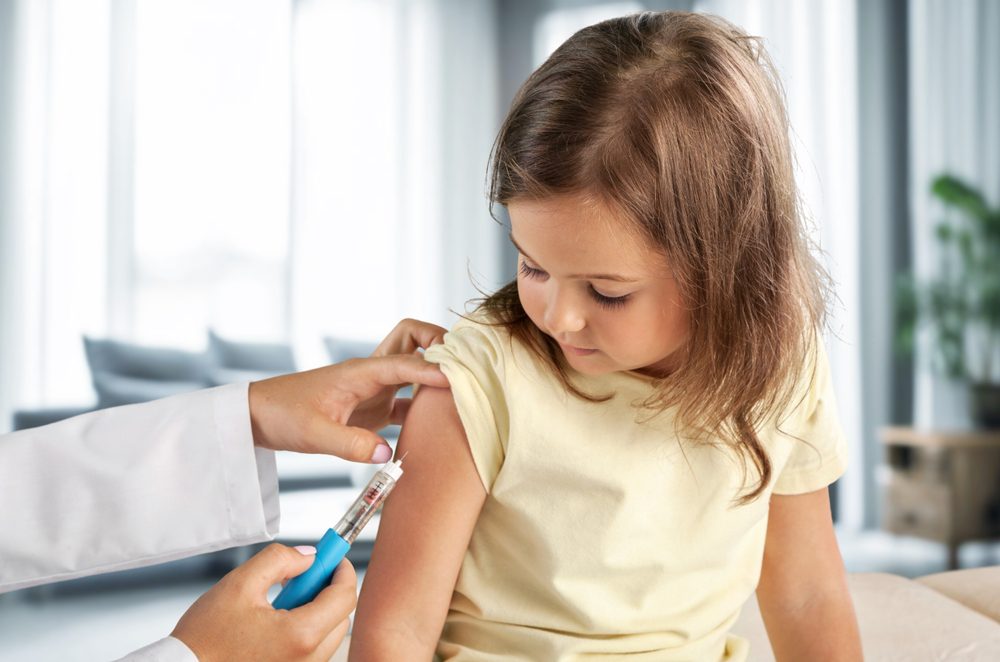
To maintain the safety of the child with cancer, family members and siblings should receive all recommended vaccinations. However:
- Family members should avoid receiving live virus vaccines such as the oral polio vaccine (which is no longer used in many countries).
- If an infant in the home receives the rotavirus vaccine, the family must be careful to wash their hands thoroughly when handling the infant.
- Avoid contact with people who have a rash caused by the varicella (chickenpox) vaccine.
Despite the importance of vaccines in protecting children from infectious diseases, pediatric cancer patients may need to delay some doses during treatment due to a weakened immune system. Parents
Comments (1)
Add Your Comment
جميل جدا