Proper Nutrition for Children During Cancer Treatment: Tips and Guidance for Families
During cancer treatment, many children face difficulty eating and meeting their necessary nutritional needs. These challenges may lead to: * Weight loss and delayed growth. * Feeling tired and lethargic. * Weakened immunity and suscept...
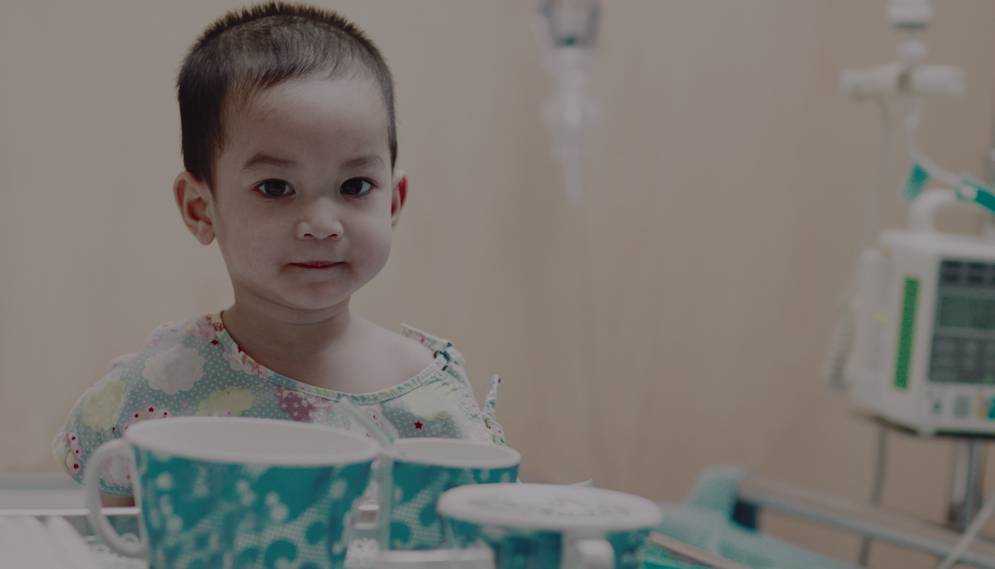
During cancer treatment, many children struggle to eat and meet their necessary nutritional needs. These challenges may lead to:
- Weight loss and delayed growth.
- Feeling tired and lethargic.
- Weakened immunity and increased susceptibility to illness.
- Lack of energy and ability to perform daily activities.
These problems can arise as a result of the effect of tumors on the digestive system, or due to the side effects of medical treatments, such as chemotherapy or radiation. Psychological stress, pain, and changes in dietary routines during treatment periods may also make eating more difficult.
Nutritional Challenges and Possible Solutions

Different treatments affect appetite and may cause unpleasant symptoms such as nausea, diarrhea, constipation, or inflammation of the mouth and throat. Therefore, we offer some tips to help families overcome these difficulties:
Tips for Coping with Nausea and Vomiting
- Eat small, light meals throughout the day (6-8 meals).
- Avoid spicy, fatty, or strong-smelling foods.
- Eat slowly, taking small bites.
- Try cold or room temperature foods to reduce odors.
- Avoid drinking liquids during meals and replace them with small amounts of fluids between meals.
- Suck on lemon or fruit-flavored candy to relieve nausea and improve taste in the mouth.
- Wash the mouth before eating with an aqueous solution containing baking soda and salt.
Tips for Dealing with Constipation
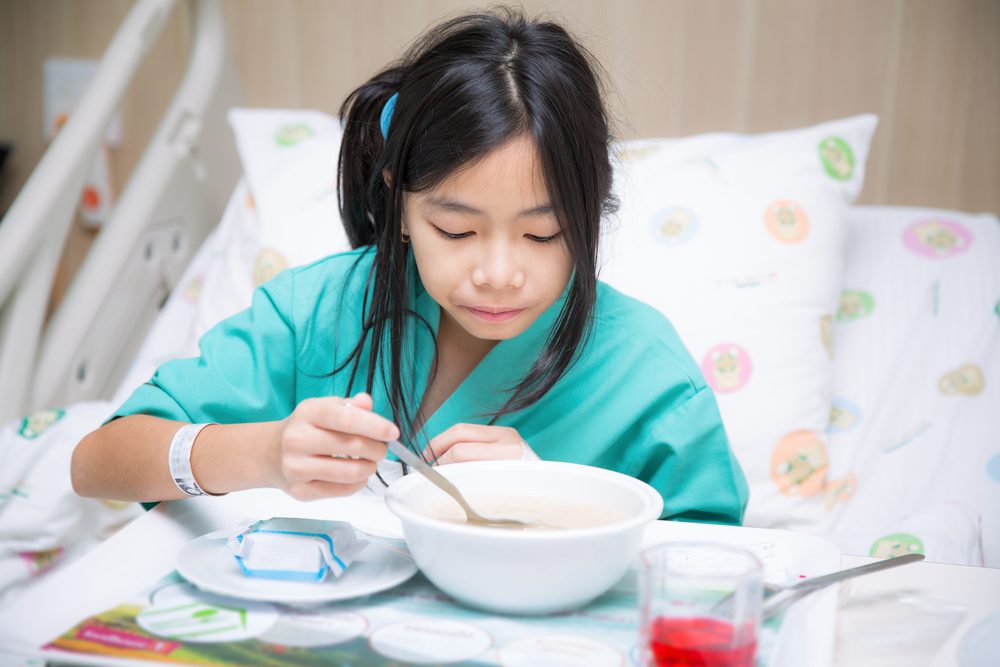
- Increase fiber intake, such as fruits, vegetables, and whole grains.
- Drink enough water and natural fluids.
- Engage in light physical activity to stimulate bowel movement.
Tips for Treating Mouth and Throat Inflammation
- Eat soft foods such as soups, mashed potatoes, and yogurt.
- Avoid acidic or salty foods that may irritate the mouth.
- Use cold popsicles or ice cubes to relieve pain.
Tips to Stimulate Appetite

- Offer small meals rich in calories and nutrients.
- Allow the child to choose the foods they like.
- Prepare food in an attractive and enjoyable way.
- Encourage the child to eat in a comfortable atmosphere away from stress.
The Role of Parents in Supporting Nutrition
Children's eating habits may change during the treatment period, which may cause stress for the family. Here are some tips to help parents deal with these challenges:
- Choosing the right time to eat: Encourage the child to eat when they feel better.
- Do not insist: Remind the child gently without forcing them to eat, as forcing may increase their resistance.
- Balance between flexibility and order: Allow the child to determine their food choices while maintaining family eating habits.
- Turn mealtime into a positive experience: Make meals a fun time away from stress.
A Message of Hope
The journey of cancer treatment is difficult, but it is not impossible. By providing appropriate nutritional care and psychological support, the quality of life of sick children can be improved, helping them face daily challenges with strength and positivity.
If you are a mother or a family member of a patient, remember that every small step in improving the child's nutrition makes a big difference in their journey towards recovery.
Comments (0)
Add Your Comment
No comments yet. Be the first to comment!