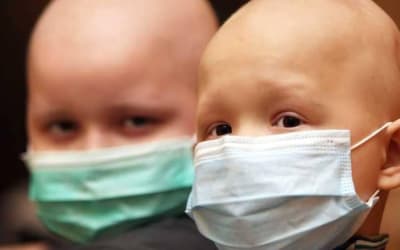
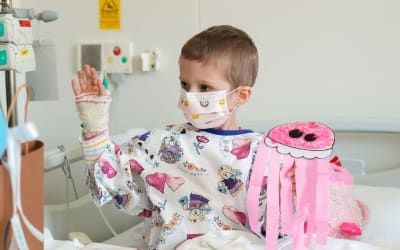
Children with Cancer and Seasonal Flu: Steps for Effective Prevention
With the start of the winter season, cases of seasonal influenza and colds increase, which adds an additional challenge for children with cancer. These children suffer from a weakened immune system as a result of chemotherapy or...
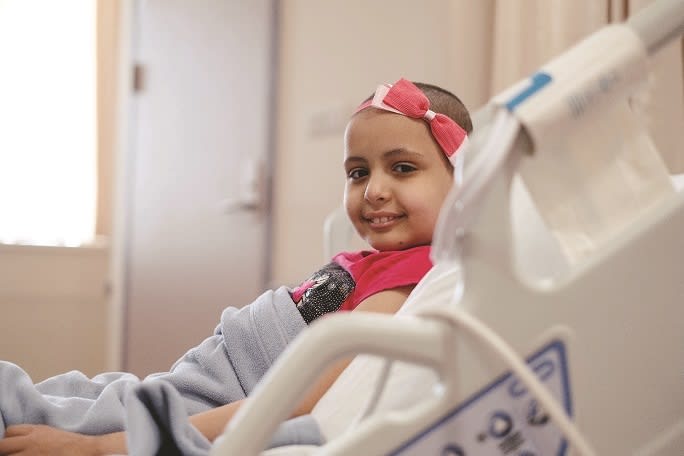
With the onset of winter, cases of seasonal influenza and colds increase, which adds an additional challenge for children with cancer. These children suffer from weakened immune systems as a result of chemotherapy or radiation, making them more susceptible to viruses and the aggravation of their complications. In light of this situation, it becomes necessary to take practical steps to protect these children and avoid potential health risks.
The Importance of the Flu Vaccine for Children with Cancer
According to recommendations from the World Health Organization and the Centers for Disease Control, the annual flu vaccine is one of the most important ways to protect children with cancer. The vaccine helps the body produce antibodies that protect against the influenza virus and reduce the severity of symptoms in case of infection. There are two main types of flu vaccine: the live attenuated virus vaccine, which is given through the nose, and the inactivated virus vaccine, which is given as an injection. Children with cancer are advised to get the inactivated virus vaccine, as it is considered safe for those with weakened immune systems.
It is preferable for a child with cancer to receive the vaccine early in the winter season, specifically in October, because the vaccine takes about two weeks to start producing antibodies. This sufficient time helps the body build a strong defense against the flu before it spreads widely. It is also advisable for those around the child, whether at home, school, or even hospital staff, to get the vaccine to ensure a safe environment and reduce the risk of infection transmission to the child.
Tips to Enhance Prevention at Home
- Maintaining Personal Hygiene
Washing hands regularly with soap and water for at least 20 seconds is one of the best ways to prevent the spread of infection. Hand sanitizer can be used as a quick and effective alternative, especially in public places or when soap and water are not available. It is important to teach children how to wash their hands properly. - Good Ventilation and Surface Disinfection
The house should be ventilated regularly, especially in winter when children spend more time indoors. Fresh air helps reduce the accumulation of germs and viruses. Care should also be taken to clean and disinfect frequently touched surfaces, such as door handles and remote controls, using effective disinfectants to ensure the spread of germs is minimized. - Avoid gatherings and crowded places
It is preferable to avoid crowded places, as the chances of infection spreading increase. If it is necessary to leave the house, the child can wear a medical mask, with emphasis on covering the mouth and nose when sneezing or coughing with a tissue, to reduce the chances of germs spreading in the air. - Healthy Diet
Proper nutrition plays a significant role in boosting children's immunity. It is recommended to provide meals rich in vitamins, such as vitamins C and D, and zinc, which are elements that help support the immune system. Fresh fruits and vegetables can be offered to the child daily to ensure they receive the necessary nutrients to resist diseases. - Drinking Enough Fluids
Water is an effective way to support general health. Children should be encouraged to drink water regularly, as it helps maintain the moisture of the mucous membranes, which reduces the likelihood of infection. Warm liquids, such as herbal tea, may also be beneficial and soothe the respiratory system.
Managing Symptoms When You Have the Flu
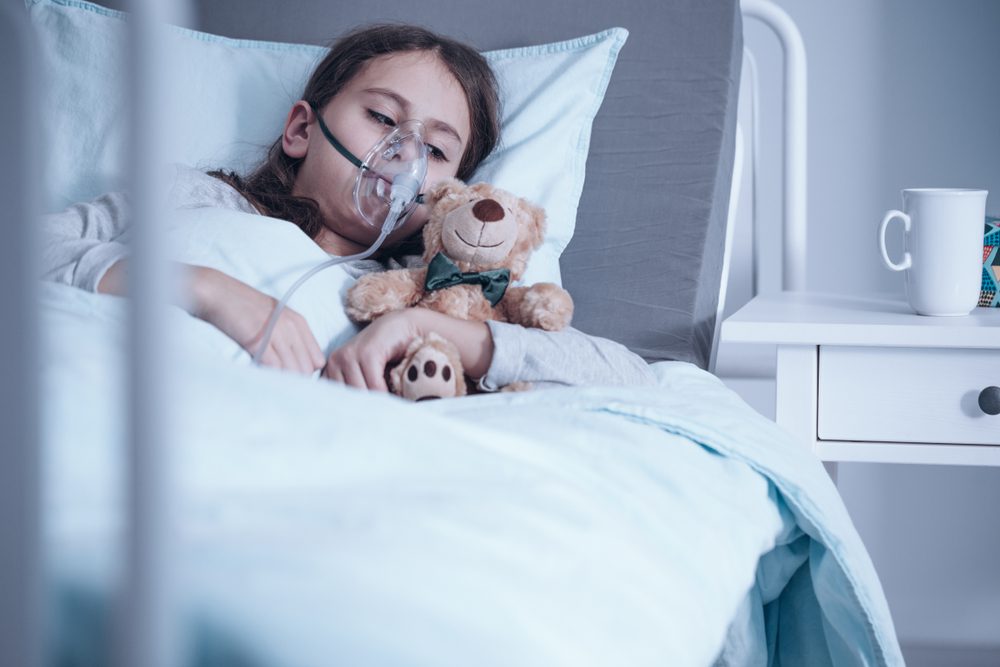
If a child with cancer experiences flu-like symptoms, it is essential to take swift steps to address the situation and prevent the symptoms from worsening. These steps include:
- Contacting a Doctor
You should consult a doctor immediately if symptoms appear, such as a high fever or severe cough. In some cases, the doctor may recommend using antiviral medications, which are especially effective when used within the first 48 hours of the onset of symptoms. These medications help reduce the duration and severity of the illness.
Rest is very important to support the immune system. It is advisable to provide a calm and comfortable environment for the child and offer fluids regularly to help relieve symptoms and maintain body hydration.
The child should be kept at home and avoid going to school or attending social gatherings until fully recovered. This reduces the likelihood of spreading the infection to others and maintains the child's comfort during the recovery period.
The Role of Family and Surroundings in Protecting the Child

It is essential that all family members and anyone who deals directly with the child adhere to preventive measures. Those around them should get the annual flu vaccine to reduce the chances of transmitting the infection, and be sure to wash their hands regularly and cover their mouths when coughing. This helps create a safe environment that protects the child and supports them on their treatment journey.
In conclusion, maintaining the health of children with cancer during the winter requires commitment and awareness of basic preventive measures. It is important for families to follow these guidelines and be fully aware of the importance of vaccination and the application of hygiene standards. Protecting these children from influenza is not just a duty towards their health, but a step that contributes to supporting their recovery and providing a healthy environment that enhances their safety.
Read more: How Healthy Food Can Support Children with Cancer
Comments (0)
Add Your Comment
No comments yet. Be the first to comment!