The Mother and Her Role in Building a Conscious Generation: Positive Education in the Age of Technology
Raising children has become a significant challenge for mothers, especially with the spread of social media and advanced technology. These factors may increase the difficulty of parenting in the absence of the mother's role for various reasons, whether it is for work...

Raising children has become a major challenge for mothers, especially with the spread of social media and advanced technology. These factors may increase the difficulty of parenting in the absence of the mother's role for various reasons, whether for work or other responsibilities. In this article, we will address the most important effective strategies that can help mothers raise their children.
1. Guiding the Use of Technology:
- Setting Controls and Limits: Mothers should set clear rules for technology use, such as setting specific times for using devices, and preventing their use during meals or before bedtime.
2. Developing Effective Communication:

- Open and Continuous Communication: Mothers should maintain daily communication with their children, even when busy. This can be through short and comfortable conversations, such as talking during dinner or while going to school.
3. Allocate Time for Quality Activities:
- Screen-Free Time: Dedicate time to play and interact with children without the interference of electronic devices, which enhances feelings of closeness and helps build positive memories.
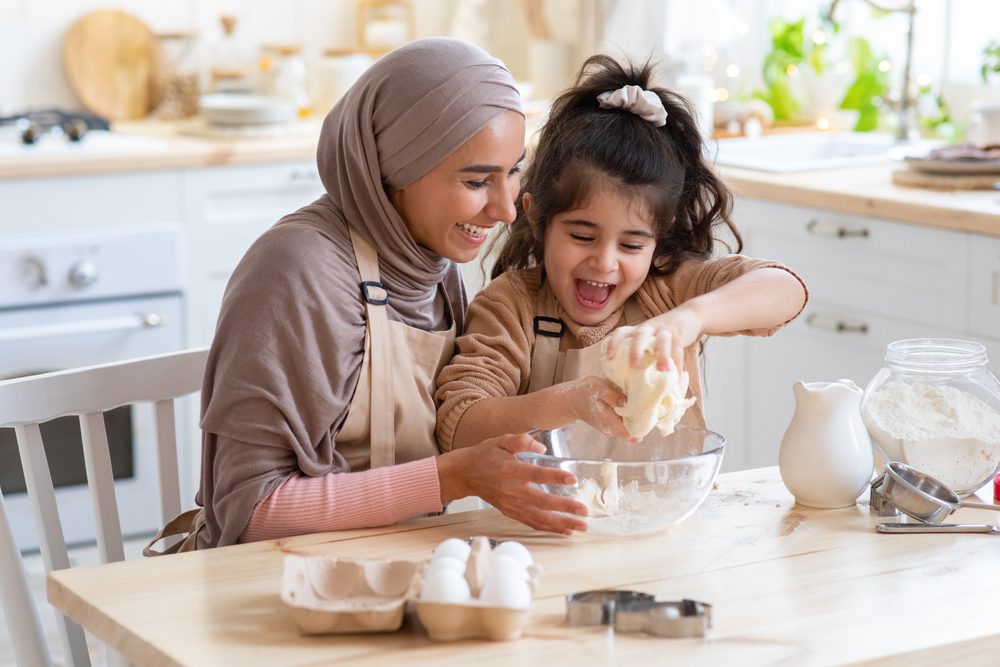
4. Good Role Model
- Monitoring Personal Behavior: Children are strongly influenced by their parents' behavior, especially the mother. Therefore, the mother must be a good role model in dealing with technology and using social media.
5. Fostering Responsibility and Independence:
- Teaching Responsibility: Teaching children to do some simple household chores, such as tidying up their belongings or helping to clean the room, enhances their sense of responsibility.
6. Controlling the Work-Life Balance:
- Organization and Planning: A working mother can set a schedule that ensures spending enough time with her children, which may require rearranging priorities and eliminating activities that do not add value.
7. Boosting Self-Confidence:

- Encouraging Self-Expression: Teaching children how to express their feelings and thoughts clearly and respectfully, which enhances their self-confidence and helps them build strong personalities.
8. Educating Children About Social Media and Its Effects:
- Risk Awareness: Children should know how to use social media cautiously, avoid exposure to cyberbullying, and avoid sharing personal information.
Contemporary Mothers and the Challenge of Steadfastness in Prayer with Their Children:
Here, dear mother, we offer you special strategies to help you raise your children and encourage them to pray in light of the challenges of technology and social media.
1. Presenting a Good Example in Prayer:

- The Mother's Commitment to Prayer: One of the best ways to instill a love of prayer in children's hearts is through example. When they see their mother praying regularly and performing her obligations with focus and reverence, they realize the importance of prayer and learn through it the importance of communicating with God.
- Demonstrating a Mother's Love for Prayer: A mother should show her children that prayer is not a heavy burden, but rather a source of comfort and spiritual connection, leaving a positive impact on them that makes them love prayer.
2. Providing a comfortable and suitable environment for prayer:
- Dedicated Prayer Space: Designating a special corner in the house as a place for prayer helps children feel the importance of this act of worship. This space can be decorated simply and beautifully with a special prayer rug or a small Quran.
3. Encouragement with Rewards
- Moral and Material Rewards: Children can be motivated to pray by giving them simple rewards, such as buying a gift or allowing them to do a favorite activity after prayer. While emphasizing that rewards do not mean that prayer is just a duty to get something, but rather to strengthen their love for it.
4. Motivation Through Stories and Experiences
- Religious Storytelling: The mother can use religious stories about the Prophet, peace and blessings be upon him, and the importance of prayer in Islam. These stories make children aware of the value and virtue of prayer through vivid examples.
6. Gradual Instruction in Prayer:
- Gradual Approach to Education: A mother can start teaching her children prayer gradually, beginning by teaching them ablution (Wudu), then how to pray step by step, starting from the age of seven.
7. Dedicate Quality Time with Children Around Prayer:
- Establishing Congregational Prayer at Home: Holding congregational prayer at home with children can be an effective way to foster their love for prayer, as they feel that prayer is an opportunity to connect with family.
8. Speaking about the value of prayer in an emotional and heartfelt manner:
- Emphasizing the Spiritual Aspect: The mother talks to the children about how prayer gives them peace of mind and helps them achieve inner and psychological balance, making them realize that it is not just a movement but a connection with God.
9. Continuous Communication and Understanding Children's Needs:

- Listening to Children's Feelings: If children have any questions or reluctance to pray, the mother should listen with understanding, gently encouraging them to express their reasons, and work to clarify matters for them without coercion.
Raising children in this digital age is not easy, but by following well-thought-out strategies and providing them with a safe and stimulating environment, mothers can help their children grow in a healthy, balanced, and independent way.
In light of the challenges posed by the world of technology and social media, children need their mother's support in raising them to pray. While this task requires patience and perseverance, following these strategies helps instill a love of prayer in children's hearts, and ensures a strong foundation that helps them connect with God and achieve the psychological comfort derived from performing acts of worship, which enhances their psychological and moral stability in the future.
Read more: Fun Ideas to Stimulate Children's Creativity
Comments (0)
Add Your Comment
No comments yet. Be the first to comment!