Signs of a Baby's Readiness for Food: When Does Your Baby Start Eating?
Signs of a baby's readiness for food are among the things that concern new mothers, as they help determine the most appropriate time to start feeding the infant, especially with the multiplicity of opinions and studies in this field. While some studies confirm that the age...
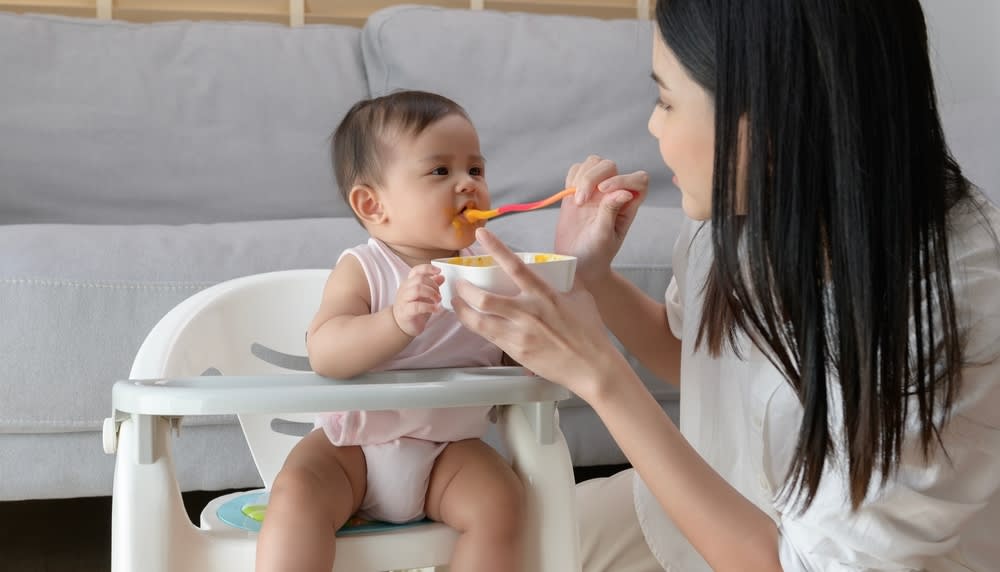
Signs of a baby's readiness for food are among the things that concern new mothers, as they help determine the best time to start feeding the infant, especially with the multiplicity of opinions and studies in this field. While some studies confirm that the age of four months is the appropriate time to introduce solid food to the baby, other specialists prefer to postpone this step until after the baby completes the sixth month. This difference depends on a number of factors, including the baby's growth, health, and ability to eat solid food. From a scientific point of view, there are some indicators agreed upon by most experts; if these signs appear on the baby, they can be considered an indication of their readiness to eat.
He/She is Ready to Receive Nutrition
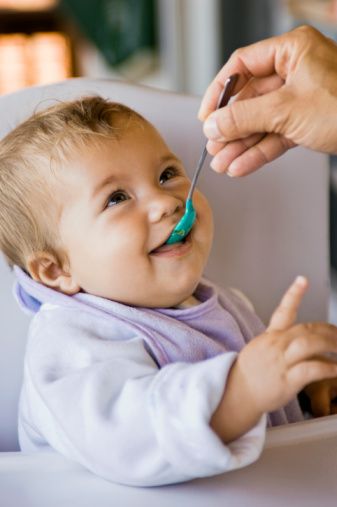
Signs of a Baby's Readiness for Food
Ability to Pass Food: If the baby can pass food to the back without spitting it out or pushing it out with their tongue, this means they have the ability to swallow food instead of just chewing it.
Sitting Upright: If your baby can sit without support for a considerable period, this means that their muscles have developed enough to support the weight of their head and body, which is a sign that they are ready to eat solid food.
Head Stability: Controlling head stability is one of the most important indicators of a baby's readiness. If your baby can keep their head steady without bending or tilting, this means they have the ability to eat easily.
Showing a Desire to Eat: If you notice that your baby opens their mouth when watching others eat, or follows the path of the spoon with their eyes, this indicates their curiosity and desire to try food.
Refusal of Breastfeeding or Formula: The baby may start to gradually refuse breastfeeding and look for alternatives because they feel full from milk alone. This is an indication of their desire to try new types of food.
Weight: It is important for the baby's weight to reach at least double their birth weight, as this reflects their healthy growth and development well.
Four Tips Not to Neglect When Starting Feeding
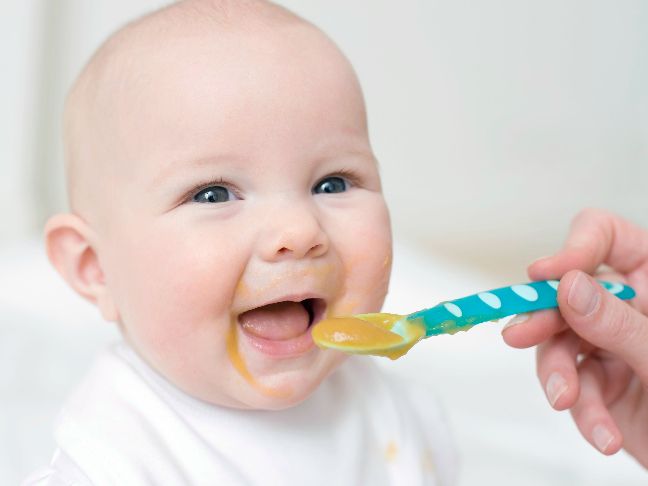
1. Starting with the Appropriate Food Consistency: Solid food should not be introduced from the beginning, because the baby's digestive system is not prepared for it. The consistency of the food should be liquid, in the form of soup, in the first two weeks, then pureed food that is easy to absorb can be introduced. After the teeth appear, the food can be cut into very small pieces to make it easier for the baby to chew and swallow.
2. Introducing One Type of Food: Each type of vegetable or fruit should be introduced for three consecutive days alone, to ensure that there is no allergic reaction in the baby. After ensuring that they accept the food without allergies, different types of food can be mixed together.
3. Avoid Adding Salt: It is recommended not to add salt to the infant's food until they complete the first year, because the kidneys are not fully developed enough to process salt. Even small amounts of salt can be harmful to the baby's health at this stage.
4. Offering Water After Each Meal: It is necessary to offer a small amount of water after each meal for the baby, to avoid food remaining stuck in the throat, which may cause the baby to choke or feel uncomfortable. Have you started feeding your baby? Share your experience in the comments!
Additional Tips for the Stage of Starting Infant Feeding|
- The Appropriate Time to Introduce Food: It is preferable to introduce food to the baby when they are in a good mood. Avoid feeding them when they are tired or very hungry, as this may lead to them refusing food or feeling uncomfortable.
- Responding to Physical Signals: Be sure to monitor your baby while eating. If they turn their head away or close their mouth, this means they are full. Do not force them to eat more.
- Introducing Foods Rich in Nutrients: After the first few weeks, you can start introducing foods rich in iron and protein, such as pureed meat, chicken, or eggs. These nutrients are important for the baby's growth and healthy development.
- Monitoring Allergic Reactions: Monitor for any allergy symptoms such as skin rash, diarrhea, or vomiting after introducing a new food. If any of these symptoms appear, you should stop introducing this food and consult a doctor.
How to Deal with a Baby's Refusal of Food
It is normal for a baby to refuse some foods at first. In this case, you can try offering the food again after a few days. Avoid forcing food on them, and try to make it a fun experience by interacting with them and showing interest in what they eat.
Conclusion
The stage of starting to feed the baby should be a fun experience for you and your baby. It is important to be patient and monitor the baby's signals to understand what they need at this stage. By following these tips, you can ensure a healthy and safe feeding experience for your baby.
Have you started feeding your baby? Share your experience in the comments!
How to Provide Your Child with the Necessary Confidence to Face Bullying with Courage
Challenges Facing Mothers with the Approach of the School Entry
General Information About Infant Feeding:
- You can add a link to the World Health Organization (WHO) website or the UNICEF website that talks about infant feeding.
- Example: World Health Organization - Infant and Young Child Feeding
Healthy Feeding Guidelines:
- Link to a feeding guide or pediatrician's website that provides detailed information about infant feeding.
- Example: HealthyChildren.org - Infant Feeding Schedule
Comments (0)
Add Your Comment
No comments yet. Be the first to comment!