Symptoms and Causes of Autism: A Simplified Guide to Understanding Autism Spectrum Disorder
On April 2nd of each year, the world celebrates World Autism Awareness Day, an occasion to highlight this complex neurological condition that affects children from an early age. The annual campaign aims to...

Every year on April 2nd, the world celebrates World Autism Awareness Day, an occasion to highlight this complex neurological condition that affects children from an early age. The annual campaign aims to promote understanding and provide an inclusive environment for people with autism.
What is Autism Spectrum Disorder?
Autism, or Autism Spectrum Disorder (ASD), is a lifelong neurological condition that typically appears in early childhood. Autism is characterized by difficulties in social communication, repetitive behaviors, and unusual reactions to sensory stimuli. Symptoms can vary from person to person, making each case unique.
Symptoms of Autism
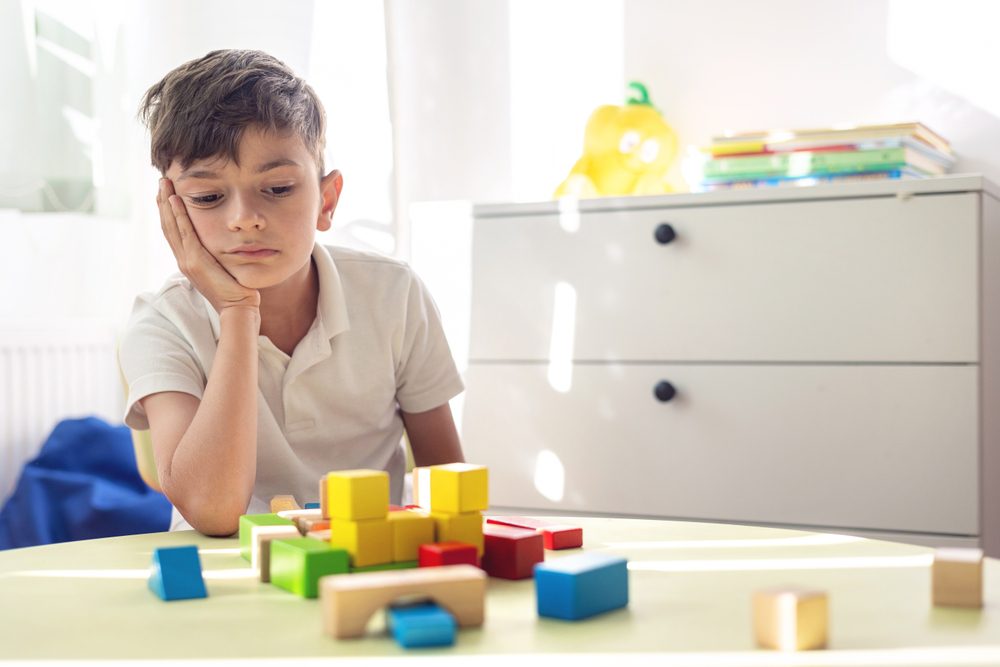
First: Problems in Communication and Social Interaction
- Weak or absent eye contact.
- No response when name is called (from 9 months of age).
- Absence of normal facial expressions (joy, sadness, anger).
- Delayed use of gestures such as waving.
- Failure to share interests or engage in group play with others.
- Difficulty pretending or playing make-believe games.
Secondly: Repetitive Behaviors or Restricted Interests
- Arranging things repeatedly and feeling upset when they are changed.
- Repeating the same phrases or words.
- Playing the same way every time.
- Focusing on parts of things (such as car wheels).
- Unusual reactions to sounds, smells, or textures.
Third: Delayed Growth

- Delayed speech and language development.
It is important to know that children with autism may exhibit some or all of these symptoms, to varying degrees.
What are the causes of autism?
There is no single known cause, but rather several factors believed to play a role, including:
- Having a sibling with autism.
- Genetic conditions such as Fragile X syndrome or Tuberous Sclerosis.
- Complications during childbirth.
- Advanced parental age at the time of pregnancy.
Types of Autism
- Asperger's Syndrome: Its symptoms are milder, and those affected often have a high level of intelligence but face social difficulties.
Autism Diagnosis
Autism traits can be detected in early childhood according to the symptoms we mentioned previously, but it is often not diagnosed until much later, according to the World Health Organization.
Autism Treatment
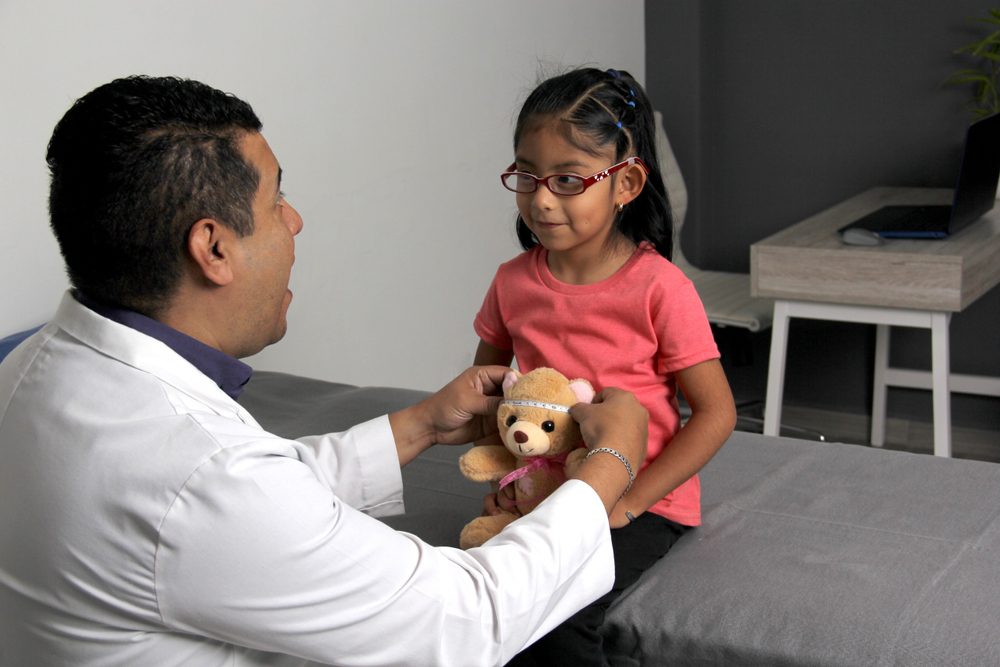
There is no cure for autism, and current treatments for autism spectrum disorder seek to reduce symptoms that affect daily functioning and quality of life.
Behavioral Therapy
Behavioral approaches focus on changing behaviors by understanding what happens before and after the behavior. Behavioral therapy for people with autism is called Applied Behavior Analysis (ABA).
Developmental Curricula
Developmental curricula focus on improving specific skills, such as language skills or physical skills, or a wide range of interconnected developmental abilities. Developmental curricula are often combined with behavioral approaches.
The most common developmental therapy for people with autism is speech and language therapy. Speech and language therapy helps improve a person's understanding and use of speech and language. Some people with autism spectrum disorder communicate verbally. Others may communicate through the use of signs, gestures, pictures, or an electronic communication device.
Educational Curricula
Educational therapies are provided in a classroom setting, where teachers are provided with ways to modify classroom arrangement and improve academic and other outcomes. For example, the daily routine can be written or drawn for the student.
Approaches to Social Relations
Social relationship therapies focus on improving social skills and building emotional connections.
Medications

There are no medications that treat the core symptoms of autism spectrum disorder. Some medications treat associated symptoms that can help people with autism spectrum disorder function better.
For example, medications may help improve the ability to concentrate, or prevent self-injurious behavior, such as head banging or hand biting. Medications can also help manage co-occurring mental health conditions, such as anxiety or depression, in addition to medical conditions such as seizures, sleep problems, stomach problems, or other digestive issues.
Psychotherapy
Psychological approaches can help people with autism cope with anxiety, depression, and other mental health issues. Cognitive Behavioral Therapy (CBT) is one psychological approach that focuses on learning the connections between thoughts, feelings, and behaviors. During CBT, the therapist and the individual work together to identify goals and then change the way the person thinks about a situation to change the way they react to the situation.
Ultimately, autism is not a disease but a difference in the way the brain works. Early understanding and appropriate therapeutic intervention can make a big difference in the life of the affected individual and their family.
Source
Read more: Healthy nutrition for children during cancer treatment.. Practical tips for families
Comments (0)
Add Your Comment
No comments yet. Be the first to comment!