Gastric Sleeve Operations... Between a Solution for Obesity and Risking Health?
The idea of the ideal weight dominates the minds of some, so many people spend their lives on a journey to lose weight, in order to achieve their desire to get rid of diseases and for other aesthetic reasons. And between morbid obesity and the desire to obtain a...

The idea of the ideal weight dominates some minds, and many people spend their lives on a weight loss journey, in order to achieve their goal of getting rid of diseases and for other aesthetic reasons.
Between morbid obesity and the desire to obtain an ideal body, "sleeve gastrectomy" or stomach reduction surgeries have become widespread recently to reach the desired weight as quickly as possible and with guaranteed results. Between intimidation and encouragement, awareness and knowledge of important details may be absent before taking such a step. So, what is a sleeve gastrectomy and when can a person resort to it?
Sleeve gastrectomy is a surgical procedure in which the entire stomach or only part of it is removed. It is a procedure that has several types and methods, and it may also bring with it some health harms.
Sleeve gastrectomy, which is a type of obesity treatment surgery, involves removing a large part of the stomach (about 80%) to change its basic size. As a result, the shape of the stomach becomes like a sleeve (hence the name of the surgery) or like a banana, and the size of the stomach becomes much smaller than it was before, and its capacity is about 50 to 100 ml of fluids only (or the equivalent of half a cup of tea).
This restrictive method dramatically reduces the final amount of food that can be eaten. The person will feel full faster, despite eating less, as the stomach becomes smaller.
Types of Sleeve Gastrectomy
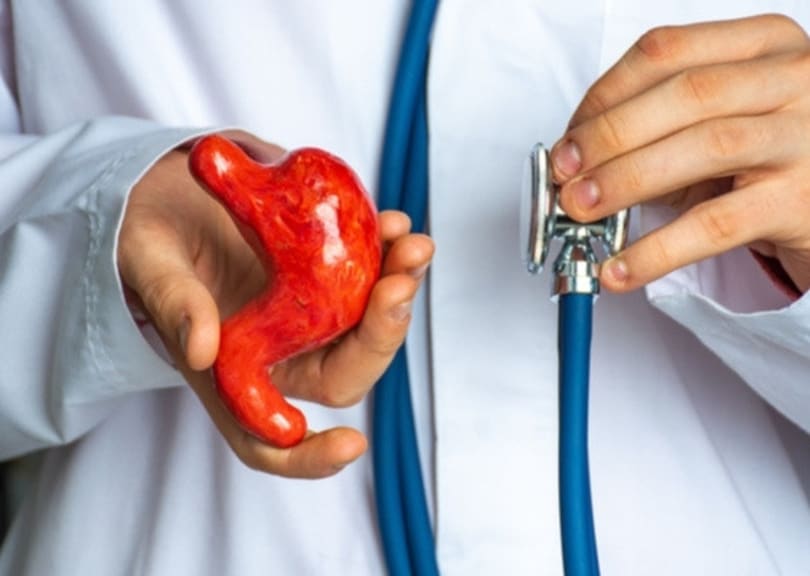
There are three types of sleeve gastrectomy:
1. Partial sleeve: In which a partial resection of the stomach is performed, and usually the lower part of it is specifically resected here.
2. Total sleeve: In which the entire stomach is removed.
3. Sleeve of the left part of the stomach: This procedure only involves removing the left part of it.
How is a sleeve gastrectomy performed?
The surgical sleeve procedure is performed under general anesthesia, and the surgeon performs the sleeve procedure through the following steps:
1. The surgeon makes incisions in the abdominal wall in several places to create small holes through which the surgical instruments are inserted.
2. The doctor inserts a cylindrical tube to adjust the new measurements of the stomach.
3. The doctor cuts the stomach into two parts, one larger than the other, and 4-6 centimeters away from the stomach valve known as the Pyloric Sphincter.
4. The doctor removes the larger part through one of the holes in the abdominal wall, so that the remaining part represents 20-25% of the original stomach size.
5. The remaining part of the stomach is closed and checked to ensure that there are no leaks.
Does a sleeve gastrectomy have conditions?
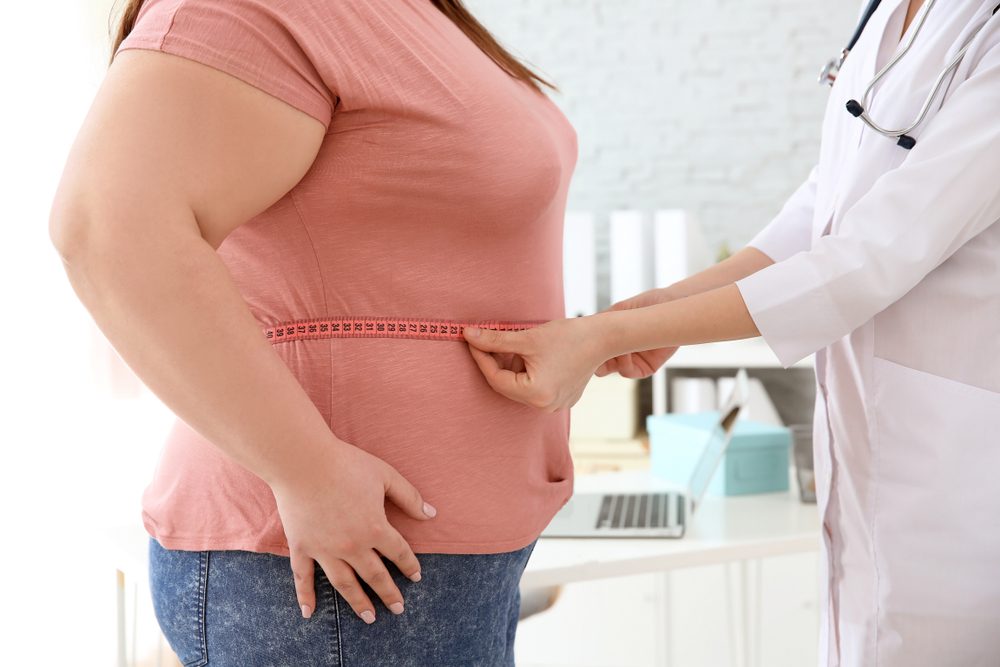
The conditions for sleeve gastrectomy are the conditions of any other surgical procedure in general, but it is best to take into account the conditions of the sleeve procedure below:
1. Morbid obesity: in which the body mass index exceeds 40 kilograms per square meter of body area.
2. Some diseases: such as patients with diabetes, high blood pressure, and sleep apnea, whose body mass index ranges between 35 - 39.9 kilograms per square meter. In addition to patients with diabetes or metabolic syndrome whose body mass index ranges between 30 - 34.9 kilograms per meter.
However, there are some potential risks of surgery that people considering this procedure should consider, including bleeding, infection, and blood leakage in the remaining part of the stomach. The procedure may also lead to long-term complications such as ulcers, gastritis, and acid reflux.
Sleeve gastrectomy remains an effective surgical option for people with morbid obesity to eliminate obesity, but for people who do not meet the conditions for performing this procedure and are only looking for an ideal body, they must know its potential risks and adhere only to a healthy diet and exercise to reach a healthy and natural figure.
Comments (0)
Add Your Comment
No comments yet. Be the first to comment!