Your food… your way to prevent breast cancer.
October is Breast Cancer Awareness Month, also known as Pink Month. On this occasion, we offer nutritional tips to help protect women from this disease and reduce the risk of developing it. Women can reduce their risk of developing cancer...
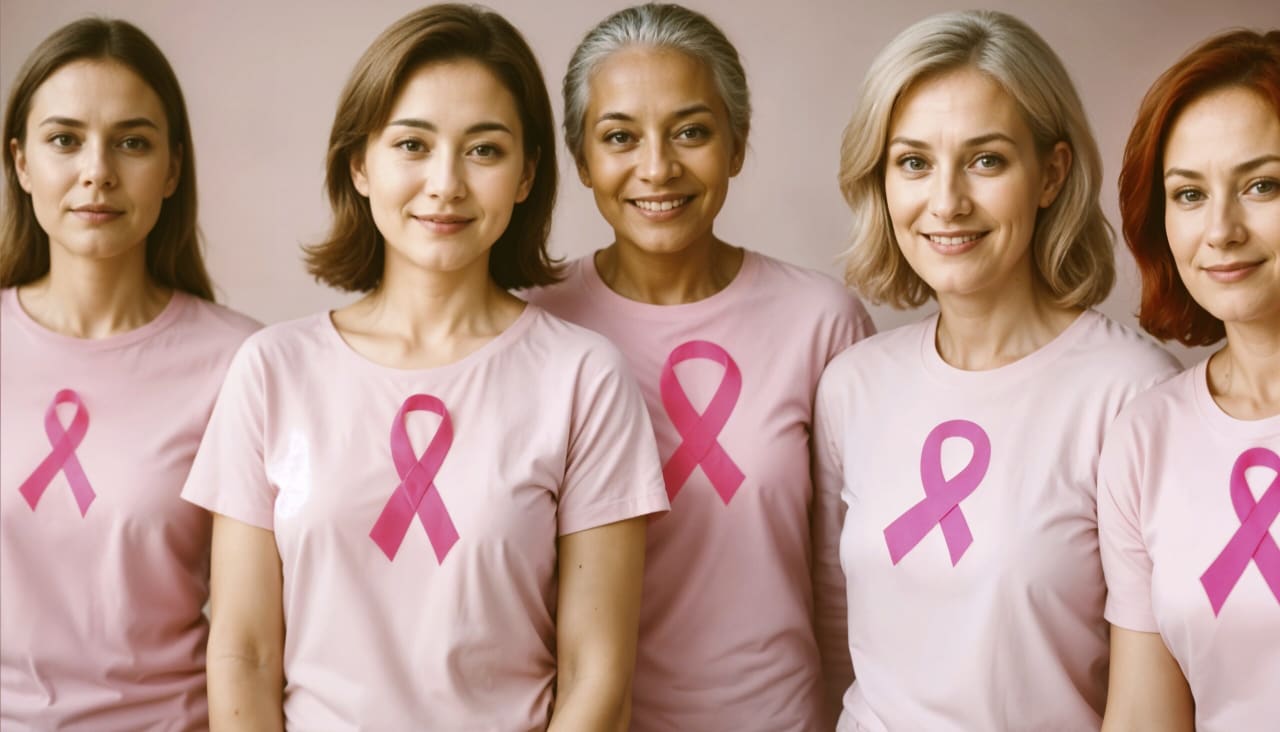
October is Breast Cancer Awareness Month, also known as Pink Month. On this occasion, we offer nutritional tips to help protect women from this disease and reduce the risk of developing it.
Women can reduce their risk of developing breast cancer by eating more foods that contain nutrients and antioxidants that help fight cancer.
Foods may contain compounds that protect against breast cancer, while others may have a cancer-promoting effect that should be avoided. There is no ideal diet for preventing breast cancer, but there are options that may help.
Any healthy diet should include a variety of foods that are as natural as possible, and provide the appropriate amount of energy and nutrients. By making better food choices, you can reduce your risk of developing breast cancer.
Foods That May Help Reduce Breast Cancer When Eaten as Part of a Healthy Diet:
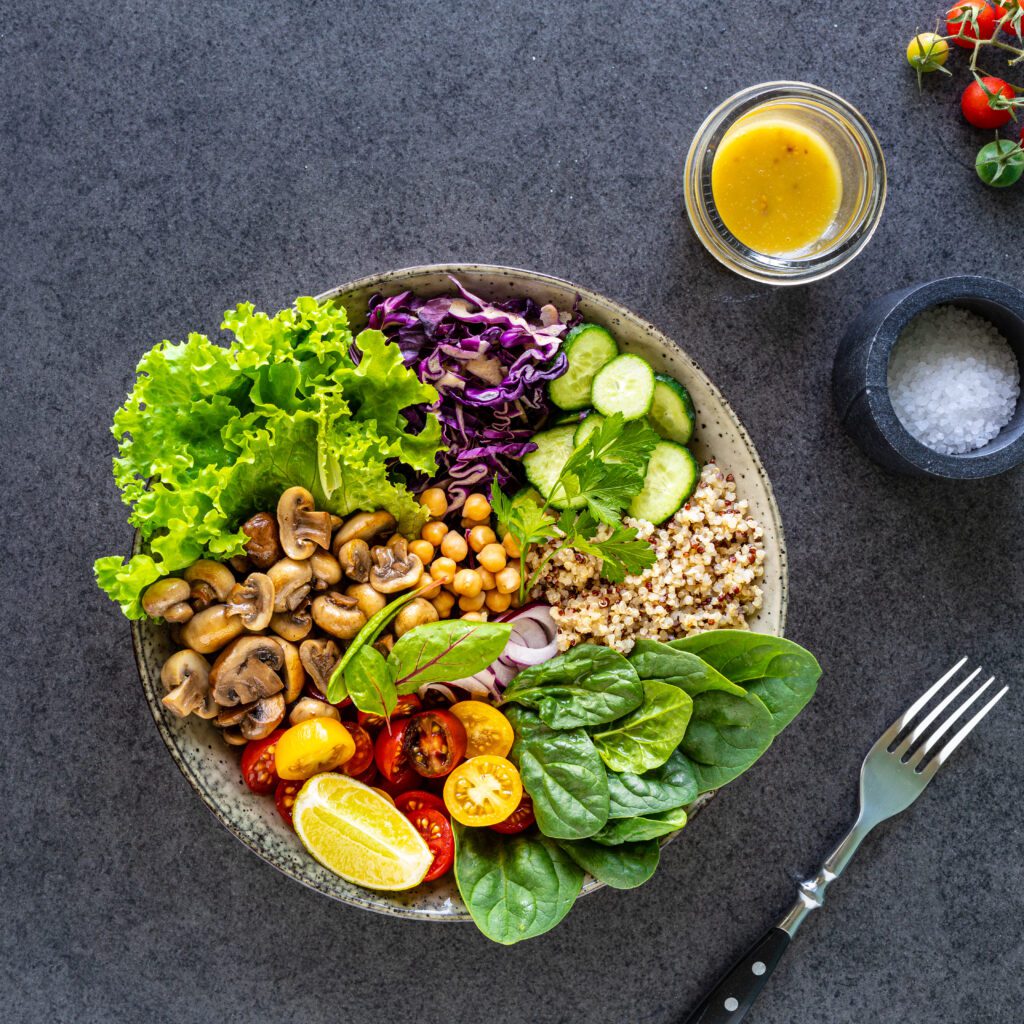
- Fruits
- البقول
- الصويا
- Cabbage
- الكراث
- Asparagus
- الفطر
- البصل
- الفلفل
- الكرنب
- Spinach
- الخردل
- الجزر
- Sweet Potato
- Pumpkin
Dietary Tips to Reduce the Risk of Breast Cancer
1. Fats
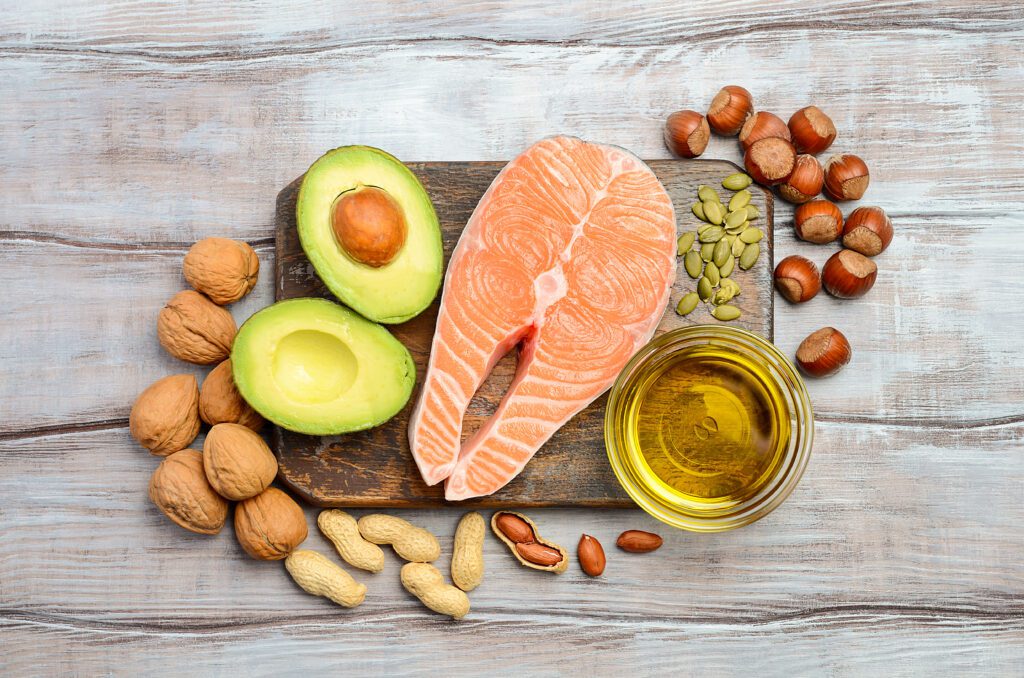
Although there is no strong evidence linking fat consumption to breast cancer, we know that high fat consumption can lead to obesity, and there is a strong link between obesity and breast cancer in postmenopausal women, according to "Breastcancer.org".
However, fats have many essential functions in the body and help in the absorption of essential vitamins such as A, D, E, and K. Moderate fat consumption is part of a healthy diet, and eating the right type of fat is crucial.
The World Health Organization suggests that less than 30% of our total energy intake should come from fats, and foods high in unsaturated fats (monounsaturated or polyunsaturated) can be a major source of energy, and some are essential, as the body cannot produce them and must obtain them through diet.
Unsaturated fats can be found in vegetable oils such as olive oil, seeds, avocados, nuts, and fish.
These fats are considered healthier and, in many cases, provide key benefits. If you have a diet rich in saturated fats, try replacing these fats with unsaturated fats, which can also lower blood cholesterol levels.
Fats that contain a percentage of .
2. Processed Meats
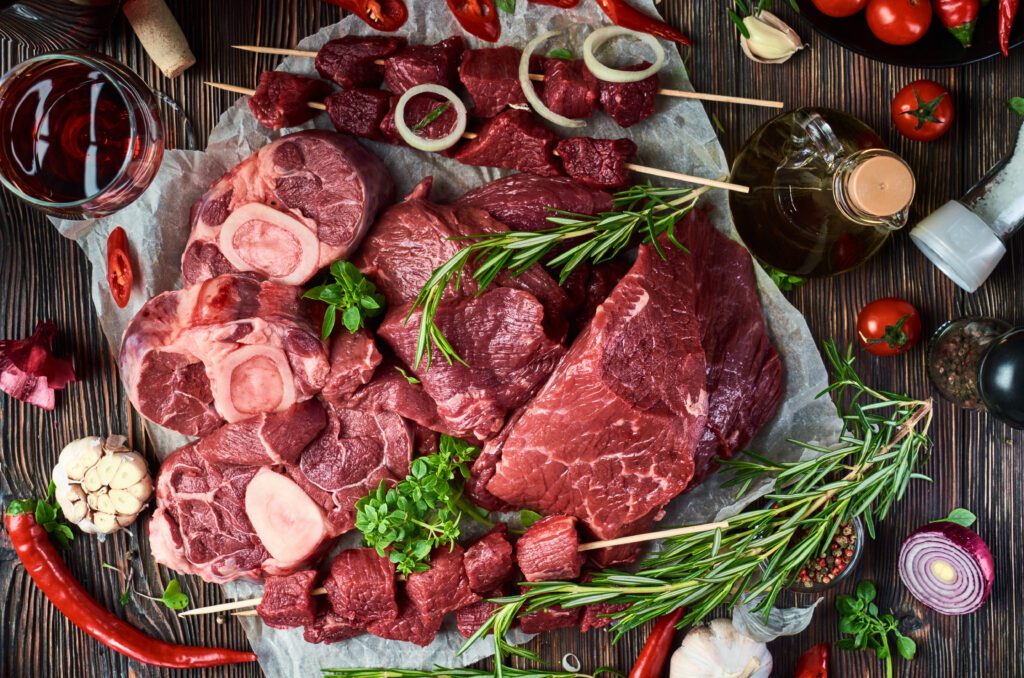
There is evidence that processed meats slightly increase the risk of developing breast cancer. Processed meats are meats that have been modified through salting, curing, fermentation, smoking, or other processes to enhance flavor or improve preservation, and include sausages, bacon, and canned meats.
The World Health Organization has classified processed meats as a Group 1 carcinogen (known to cause cancer).
Some studies indicate that increased consumption of red meat may increase the risk of breast cancer, but the evidence remains inconclusive.
The World Cancer Research Fund recommends limiting daily consumption to no more than approximately 350-500 grams of cooked weight per week.
Although meat is a source of protein—an important part of your diet—you can easily replace it with other sources of protein, including some legumes, nuts, eggs, fish, or tofu.
Try to avoid processed meats completely, and if you can't, eat only a little and infrequently.
3. Fruits and Vegetables
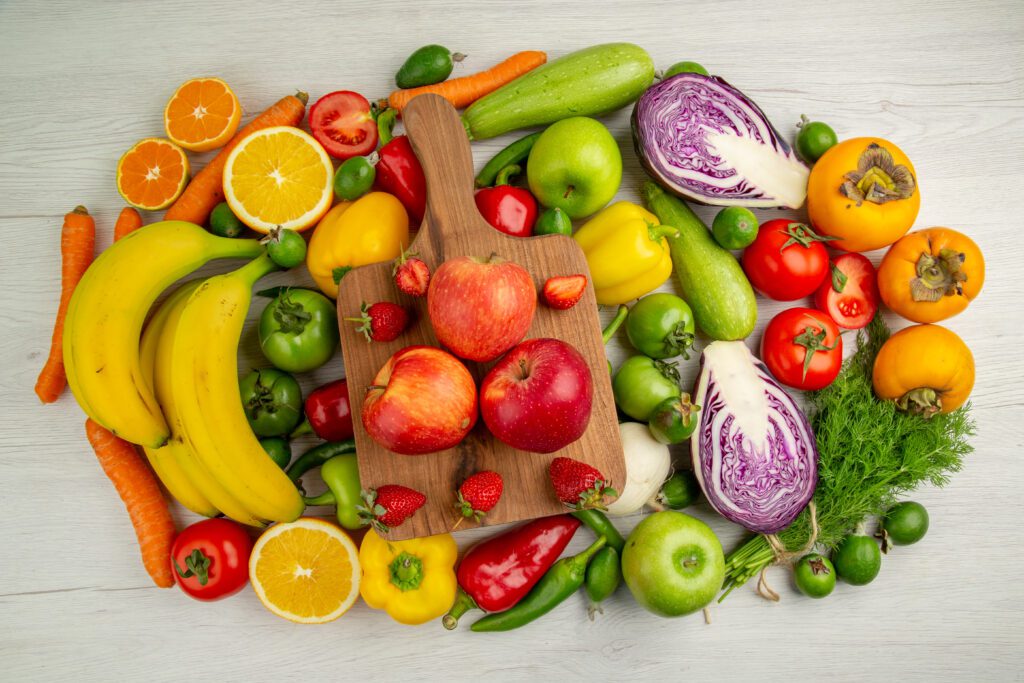
Many studies indicate that following a diet rich in fruits and vegetables provides protection against breast cancer. There appears to be a relationship between consuming large amounts of non-starchy vegetables and a reduced risk of estrogen receptor-negative (ER-negative) breast cancer, and between consuming a lot of foods high in carotenoids and a reduced risk of breast cancer.
Some studies indicate that following a vegetarian diet may reduce the risk of breast cancer, but the evidence is inconclusive.
The World Health Organization recommends eating at least three portions of non-starchy vegetables and two portions of fruit (a total of 400 grams) each day.
Fruits and vegetables provide a blend of health-boosting ingredients such as fiber, phytochemicals, vitamins, and minerals.
No single fruit or vegetable provides all the nutrients we need to be healthy, so we should eat a variety of different kinds every day.
Vegetables, with their usual water content and low sugar content, are considered a great low-calorie dish and can help control body weight.
Focus specifically on consumption:
- Vegetables that are high in carotenoids can be found in green leafy vegetables, such as kale, spinach, collard greens, and mustard greens, and yellow and orange vegetables such as carrots, sweet potatoes, and squash, and colorful fruits such as apricots, papaya, and mango, among others.
4. Carbohydrates
Although there is no specific link between breast cancer and diets high in sugar (sucrose) or other carbohydrates, we know that consuming too much sugar can promote weight gain, and weight gain increases the risk of developing breast cancer after menopause.
You can reduce your risk of breast cancer by making healthy choices and reducing the amount of added sugar in your daily meals in order to maintain a healthy body weight.
Carbohydrates provide your body with a primary source of energy, which is glucose, but quality and quantity are important.
When it comes to carbohydrates, it is best to consume larger amounts of "complex carbohydrates" instead of "simple carbohydrates" such as sucrose and fructose.
Digestible complex carbohydrates such as starch are found in foods like potatoes, grains, legumes, fruits, and seeds.
When you eat digestible complex carbohydrates, they are released more slowly into the bloodstream, so blood sugar levels rise more slowly after eating them and you stay full for longer. This is because they need to be broken down before they are absorbed, so you end up eating less, and you are more likely to maintain a healthy weight.
Indigestible complex carbohydrates are found in foods made from whole grains, vegetables, fruits, and legumes.
Given that soft drinks, biscuits, and cakes are high in simple carbohydrates (such as sucrose), they lack the vital nutrients found in fruits and vegetables, and therefore contain "empty calories."
5. Dairy Products
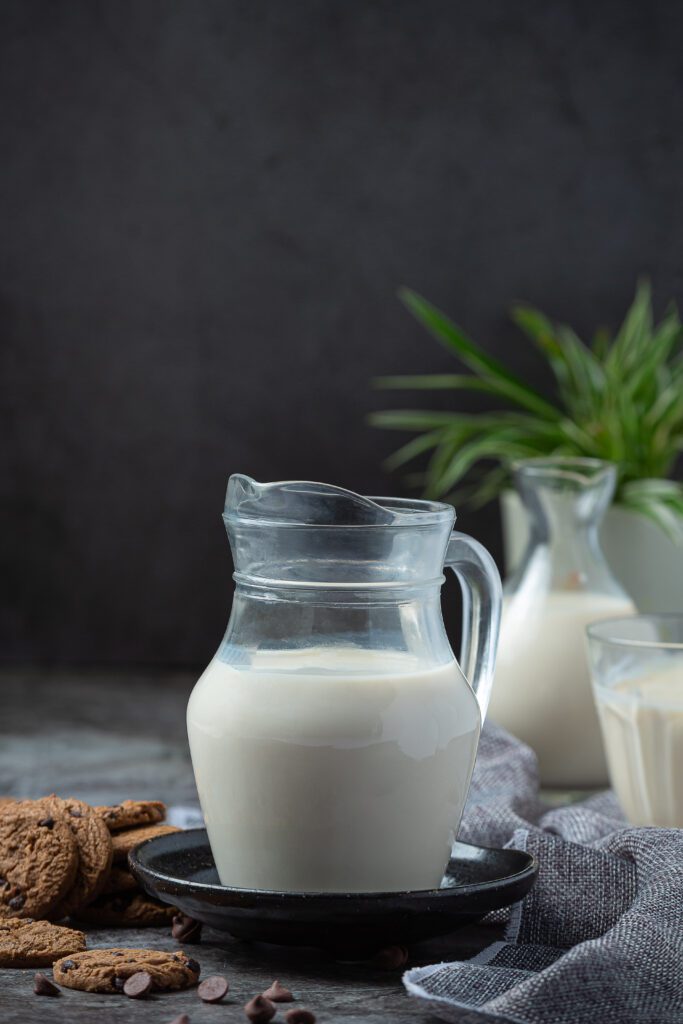
There is some evidence that dairy products containing high levels of calcium may be beneficial in reducing the risk of premenopausal breast cancer.
Probiotics (microorganisms) and fermentation products found in yogurt may also be helpful in reducing the risk of breast cancer.
To get the most out of dairy products, try to choose natural products that are free of added sugar.
Organic plain yogurt, cottage cheese, and low-fat milk contain high-quality protein, plenty of calcium, zinc, and iodine, in addition to vitamins B2, B12, A, and D.
Yogurt also contains beneficial bacterial components, making it a source of probiotics that are good for gut health. You can make your own sweet-tasting yogurt by adding some berries and a little honey.
6. Vitamin D
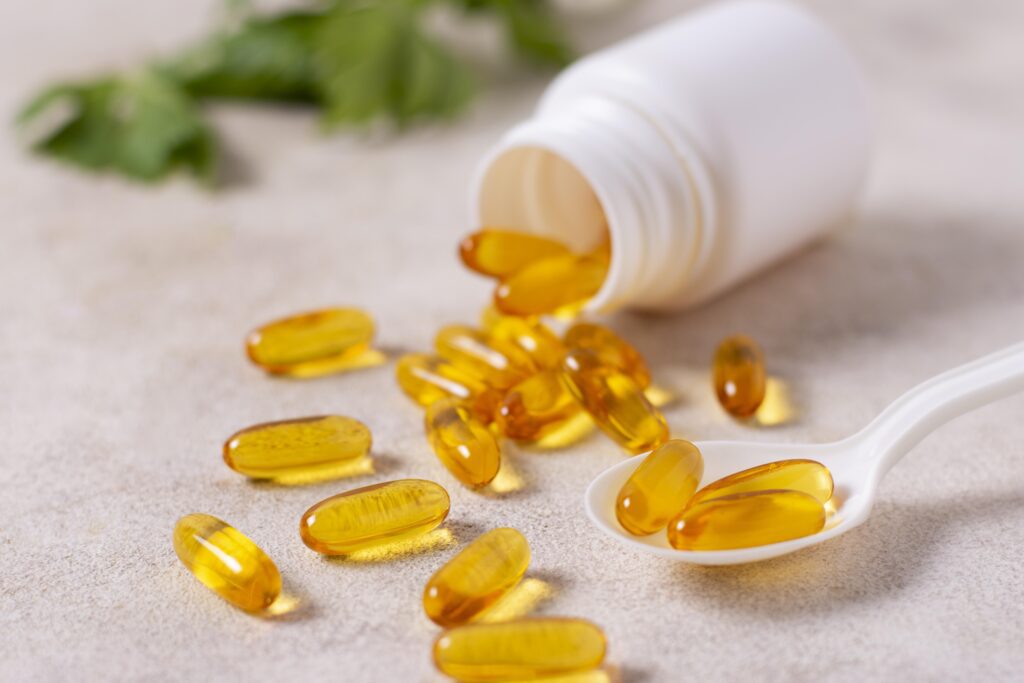
Most studies have found that low levels of vitamin D in the blood are associated with an increased risk of breast cancer.
Studies have not proven that taking vitamin D supplements reduces the risk of breast cancer, although taking them can restore vitamin D levels in the blood to a healthy state and is recommended for those unable to achieve sufficiency through sunlight and diet.
Make sure you are getting a healthy amount of vitamin D, which can be obtained through your diet (e.g., oily fish and egg yolks), but most of it is made by your body when exposed to sunlight.
If you are unable to obtain sufficient levels of vitamin D through sunlight and diet, vitamin D supplements are recommended to help restore its levels to a healthy range.
Read more: The Benefits of Beauty Fasting for the Skin and How to Apply it Correctly
Comments (0)
Add Your Comment
No comments yet. Be the first to comment!