Food Poisoning: Symptoms, Causes, and When to See a Doctor?
Food poisoning is a common health condition that affects the digestive system as a result of consuming contaminated food. Learn about its symptoms, causes, and how to prevent it.
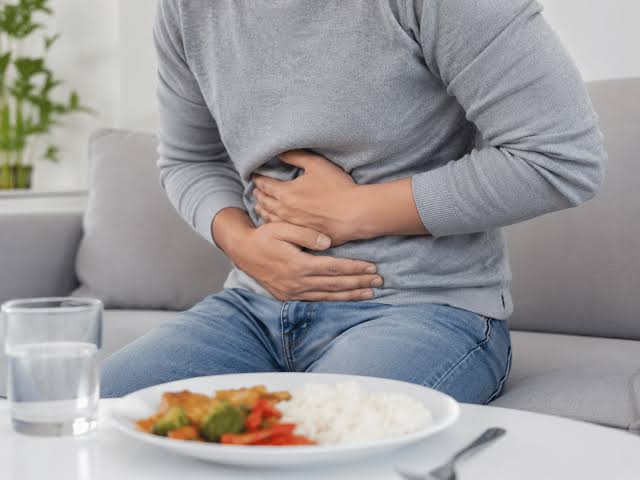
Food poisoning, also known as foodborne illness, is a common health condition affecting the digestive system due to consuming contaminated food or drinks. This contamination occurs due to the presence of microorganisms such as bacteria, viruses, and parasites, or harmful chemicals in food, leading to unpleasant symptoms ranging from mild to severe.
At "Alia" magazine, we aim to provide reliable health information to our community in Qatar and the Arabian Gulf. Therefore, in this article, we review everything you need to know about food poisoning, from its symptoms and causes to prevention and treatment methods, with a focus on when to consult a specialist doctor. Understanding this information is essential to protect your health and your family's health from the risks of food contamination.
Understanding Food Poisoning: Causes, Pathogens, and Most Vulnerable Groups
Food poisoning occurs when a person consumes contaminated food, drinks, or even water. Food can become contaminated at any stage of the food chain; from agricultural production, through processing, storage, and transport, to preparation and serving at home or in restaurants. Sometimes, food can be contaminated with microorganisms resulting from feces or vomit, and this possibility significantly increases when a sick person prepares food without washing their hands thoroughly, highlighting the importance of personal hygiene in preventing foodborne illnesses.
Common Causes and Pathogens of Foodborne Illnesses
A wide range of germs cause food poisoning, and the severity and duration of symptoms vary depending on the type of causative microbe. Among the most prominent of these pathogens are:
Bacteria: Bacteria are the most common cause of food poisoning cases worldwide. Prominent disease-causing types include:
Escherichia coli (E. coli): Especially Shiga toxin-producing E. coli (STEC), which can cause serious complications such as hemolytic uremic syndrome.
Listeria monocytogenes: Particularly dangerous for pregnant women, the elderly, and people with weakened immune systems.
Salmonella: Often found in undercooked eggs and poultry.
Campylobacter: One of the main causes of bacterial diarrhea.
Clostridium botulinum: Causes botulism, a rare but very dangerous type of food poisoning.
Staphylococcus aureus: Produces toxins that are not destroyed by heat, even if the food is well cooked.
Viruses: Viruses also play an important role in the spread of foodborne illnesses, due to their easy transmission. Common types include:
Norovirus: Known as the main cause of stomach flu, it spreads rapidly in enclosed spaces.
Hepatitis A virus: Can be transmitted through contaminated food and water and affects the liver.
Rotavirus: Particularly common among young children.
Astrovirus: Causes symptoms similar to norovirus.
Sapovirus: An enteric virus that causes gastroenteritis.
Parasites: Although less common compared to bacteria and viruses, foodborne parasites pose a significant risk and require special treatment. Examples include:
Toxoplasma gondii: A parasite that can be transmitted through undercooked meat or contact with cat feces.
Giardia lamblia: An intestinal parasite transmitted through contaminated water or food.
Types of tapeworms: Can be transmitted by eating undercooked meat containing their larvae.
Groups Most at Risk of Food Poisoning and its Complications
Statistics indicate that all people are susceptible to food poisoning at least once in their lives. However, certain groups are more susceptible to serious complications or severe symptoms, due to weakened immune systems or special health conditions:
Young children: Especially those under five years old, because their immune systems are not yet fully developed, and they are more susceptible to severe dehydration resulting from vomiting and diarrhea, which may require hospitalization.
The elderly: Those over 65 years old, as their immune response is less effective in combating disease-causing microorganisms, and they may suffer from chronic diseases that increase their vulnerability.
Pregnant women: Hormonal and immune changes during pregnancy make them more susceptible to infection and its effects, and food poisoning can affect the health of the mother and fetus. For example, Listeria infection can cause miscarriage or premature birth.
People with weakened immune systems: Whether due to chronic diseases such as diabetes, kidney disease, liver disease, or due to certain medications such as corticosteroids and immunosuppressants, they are more susceptible to infection and its serious, potentially life-threatening complications.
Symptoms of Food Poisoning: When They Appear, How Long They Last, and When to Consult a Doctor
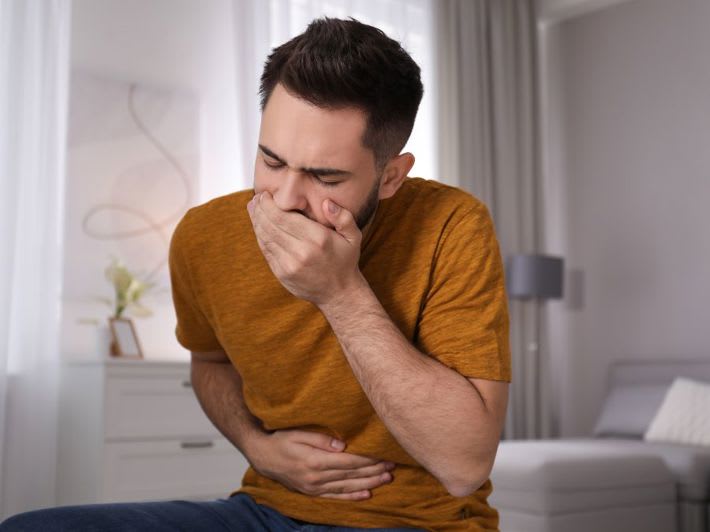
The symptoms of food poisoning range from mild to severe, and may appear within a few hours of consuming contaminated food or after several days, lasting from a few hours to several days, depending on the type of causative germs and the amount of toxins. If you experience the following symptoms, it is likely that you have food poisoning:
Diarrhea: May be severe and watery, and in some cases may contain blood or mucus.
Persistent vomiting and nausea: The body's attempts to get rid of toxins.
Fever and elevated body temperature: The body's response to infection.
Severe pain and cramps in the digestive system (colic): Due to intestinal inflammation.
Headache: Often accompanied by fever and dehydration.
General weakness and fatigue: Due to fluid and nutrient loss.
Loss of appetite: Usually accompanied by nausea.
Symptoms of dehydration: Such as dry mouth, reduced urination, severe thirst, and dizziness, which are signs that require immediate attention.
Duration of Symptoms and Potential Complications

In most cases, the patient begins to feel better within a few hours or days of the onset of symptoms, and cases are mild and resolve spontaneously with rest and hydration. However, symptoms may persist for weeks in some cases, depending on the type of microbe causing the infection and its severity, as well as the health of the infected person's immune system. It is important to know that food poisoning, although often benign, can lead to serious health complications that require urgent medical intervention, such as:
Severe dehydration: Which requires intravenous fluid administration to compensate for the salts and essential minerals lost by the body.
Reactive arthritis: A type of arthritis that can occur after some types of intestinal infections.
Kidney damage: Especially in cases of infection with certain strains of E. coli that cause hemolytic uremic syndrome (HUS), a serious condition that can lead to kidney failure.
Meningitis: In rare cases, some bacteria such as Listeria can spread to the brain and spinal cord.
Brain and nervous system problems: Such as Guillain-Barré syndrome, which causes muscle weakness and temporary paralysis, which is rare but serious.
When to Consult a Specialist Doctor?
It is recommended to visit a doctor immediately if you experience any of the following symptoms, especially if you are in a high-risk group, to ensure proper diagnosis and receive appropriate treatment and avoid any serious complications:
Severe diarrhea lasting more than three days, or diarrhea accompanied by blood or black mucus.
High fever (over 39 degrees Celsius) with chills.
Severe signs of dehydration such as significantly reduced urination, dizziness upon standing, or severe dry mouth and skin.
Difficulty speaking or swallowing, or facial muscle weakness.
Double or blurred vision, or drooping eyelids.
Severe muscle weakness or numbness and tingling in the extremities.
Blood in stool or vomit, indicating internal bleeding.
Severe and persistent abdominal pain that does not subside over time.
If you are pregnant, or have a young child or an elderly person experiencing these symptoms, as the risk of food poisoning is higher for them.
The symptoms of food poisoning are somewhat similar to the symptoms of stomach flu or other intestinal diseases, so accurate diagnosis of the condition is important to ensure appropriate treatment and avoid complications. You can learn more about "Alia" magazine and our mission by visiting our page
Treatment of Food Poisoning and Effective Prevention Methods
How to Deal with Food Poisoning: Treatment and Home Care
In many cases, food poisoning can be treated at home by maintaining body hydration after losing large amounts of fluids due to diarrhea, vomiting, and fever, and many cases may heal spontaneously without the need for significant medical intervention. While other cases may require drug intervention depending on the type of infection, the severity of symptoms, and the diagnosis of a specialist doctor.
Hydration: Is the cornerstone of food poisoning treatment. It is recommended to drink plenty of clean water and fresh juices, in addition to electrolyte-rich drinks and oral rehydration solutions that help replenish lost salts and minerals. Herbal teas that help soothe digestive upsets, such as chamomile, mint, and ginger, can also be consumed. Caffeinated beverages (such as coffee and tea) and carbonated drinks should be avoided as they may increase dehydration and irritate the stomach. In severe cases of dehydration, it may be advisable to go to the hospital to receive intravenous fluids according to the doctor's instructions.
Medications: Some types of bacterial infections may require the use of antibiotics, but these drugs are not always necessary, and sometimes they may exacerbate food poisoning (especially in cases of infection with toxin-producing E. coli) or cause antibiotic resistance, so it depends on the treating physician's diagnosis and the type of causative microbe. Anti-diarrhea medications are usually prohibited for treating food poisoning because they may prolong the illness and prevent the body from naturally eliminating toxins, as the body relies on diarrhea and vomiting as natural ways to expel harmful organisms and toxins.
Rest: Getting enough rest helps the body recover and regain its strength to fight infection.
Preventing Food Poisoning: Essential Guidelines for a Healthy Life
Prevention is better than cure, and following some simple and practical guidelines can significantly reduce the risk of food poisoning and protect your health and your family's health. The following instructions should be followed daily and accurately:
Personal hygiene and cleanliness of food and kitchen:
Handwashing: Wash your hands thoroughly with soap and water for at least 20 seconds before and after preparing food, before eating, after using the toilet, and after touching pets. This step is essential to prevent the spread of germs.
Washing produce: Wash raw fruits and vegetables thoroughly under running water before eating or cooking them, even if you will peel them. This helps remove pesticide residues and surface germs.
Sanitizing surfaces and utensils: Clean and sanitize all food-contact surfaces (such as cutting boards and kitchen countertops) and used utensils with hot water and soap, especially after handling raw meat or eggs, to prevent cross-contamination.
Separation (avoiding cross-contamination):
Separating foods: Avoid cross-contamination by separating raw meat, poultry, seafood, and eggs from fresh produce and ready-to-eat foods in the shopping cart, in the refrigerator, and during preparation. Use separate shopping bags for raw meat.
Using different utensils: Use separate cutting boards and utensils for raw meat and for ready-to-eat foods to ensure bacteria are not transferred.
Safe cooking:
Cooking food thoroughly: Cook meat, poultry, and seafood thoroughly at appropriate temperatures to kill harmful germs. Use a food thermometer to ensure food reaches the recommended safe internal temperature (e.g., 74 degrees Celsius for poultry).
Reheating: Reheat leftovers to a high temperature (at least 74 degrees Celsius) to kill any bacteria that may have grown during storage.
Proper refrigeration:
Rapid cooling: Refrigerate or freeze cooked or perishable foods within two hours of cooking. Do not leave cooked food at room temperature for a long time (more than an hour in hot weather), as bacteria multiply rapidly.
Refrigerator temperature: Make sure the refrigerator temperature is set to 4 degrees Celsius or lower, and the freezer temperature to -18 degrees Celsius or lower, to maintain food safety.
Checking expiry dates: Always check the expiry dates of refrigerated foods and dispose of expired products immediately.
We hope this article has provided you with valuable and detailed information about food poisoning and how to deal with it effectively and protect yourself and your family. For any additional inquiries or to share your experiences, please do not hesitate to contact us through "Alia" magazine.
Comments (0)
Add Your Comment
No comments yet. Be the first to comment!